


Hervé and Numbur Peak: Adventure as a State of Mind
At SCARPA®, Hervé Barmasse needs no introduction. He is an alpinist who embodies the values of alpine style and respect for the mountains, born and raised at the foot of the Matterhorn, yet always ready to pursue dreams and challenges in the Alps as well as across mountains around the world. Hervé does not seek awards or collect records, but rather seeks to live a true adventure. And the smaller and more fragile we feel in the presence of the world’s great walls, the deeper and more emotional the human experience becomes.
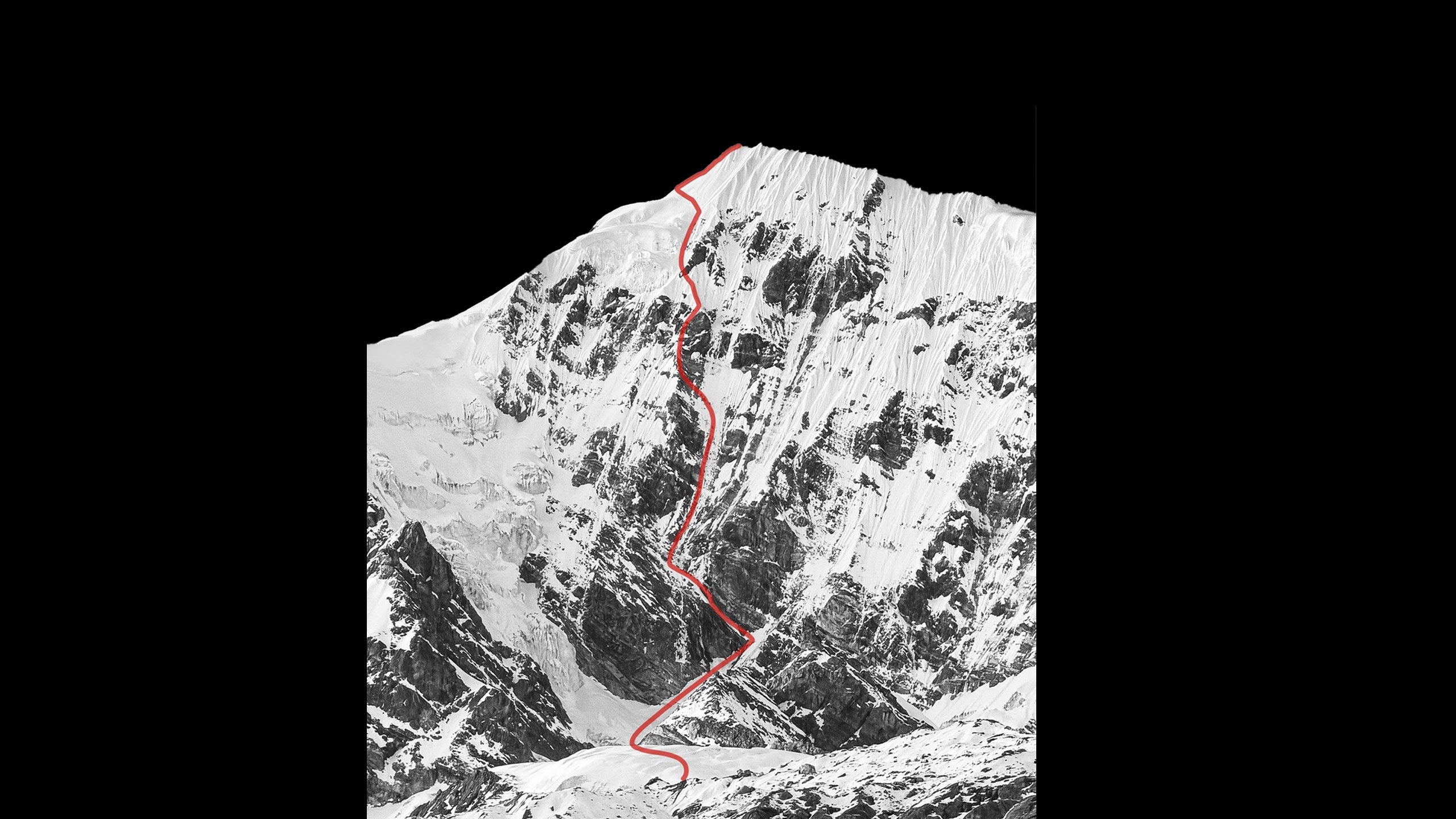
In the autumn of 2025, Hervé returned to Nepal with Adam Bielecki and Felix Berg to attempt the ascent of the south face of Numbur Peak (6,958 m), of course in alpine style. From the very beginning, the three had to overcome several setbacks: first, Bielecki’s physical problems at the very start of the difficult section made them question whether to continue. Then came rockfall from above, which struck Hervé on the arm as they were moving toward a section of the face more protected from the rockfall, though harder to climb. Finally, an endless night at 6,900 metres, in the emergency bivouac they would later bitterly call the “Nepali Ice SPA”.
Without a tent, without sleeping bags, close tightly together and protected only by a thin cover against 60 km/h winds and temperatures of –25°C. The following day, they were on the summit.
Hervé often tells us that style matters more than the summit, so once again we asked him to recount the emotions behind the alpine success, as well as his reflections on risk and its acceptance.
Hervé, your team had to overcome multiple unexpected events and difficulties, succeeding also thanks to an almost magical sense of harmony. How did that happen?
“The objectives of an expedition are shared among its participants, that goes without saying. Whether relationships truly work, however, you only discover when you start spending time together. There are teams in which communication flows naturally, almost without words, and others in which more patience is required. But an expedition has limited time, and when, as in the case of Numbur, a team is formed after just a few phone calls, the risk of not being in sync is real.
I believe that in the mountains harmony is born when people know how to alternate leadership and listening without the need to spell it out. When everyone brings the best version of themselves to the group, giving something up, such as ego, the need for control and the temptation to prove they are the best. But the most difficult thing, which in this case is also the most effective example, is always the same: putting ‘we’ before ‘I’.”
You said that alpinism is not only action, but also reflection. Is this something you experience on expedition, or also at home?
“An expedition, by its nature, gives you more time and more moments to reflect. This also happens because you are less conditioned by technology. We know it well: the phone keeps us tied to the unnecessary, but on expedition, if you are lucky, the phone is only used to take photos and record videos. No connection, no distraction.
Moreover, bad-weather days give you hours and hours to think, to listen to yourself and above all to your companions. At home, instead, we are often drawn into constant action: training, commitments, travel, and the risk is becoming ‘mechanical’ alpinists, with no room for depth. From time to time, one should also ‘bivouac’ in everyday life: stop, leave space for silence, ask oneself why we do what we do. Without this exercise, alpinism risks becoming nothing more than gymnastics.”
In the final part of the ascent, for several hours you had zero margin, and everything went well. How much risk do you think you were taking?
“From a rational point of view, there was no margin for error. If a foot had slipped, I would have dragged my partners into the void. Personally, being used to solo alpinism and to that kind of terrain, I felt comfortable. I felt in harmony with the mountain, but feelings are never a guarantee.”

Do you think your acceptance of risk has changed over the years?
“Enzo Ferrari used to say that for every child born, a racing driver lost on average two tenths of a second per lap: he no longer had the courage to push the accelerator all the way down. For me it hasn’t been like that: I have two daughters, and my heart, like my soul, continues to feel the call of adventure. What has changed, however, is my way of ‘being’ within risk: today I distinguish more clearly between the days when it is worth pushing beyond, and those when turning back is the right choice.”
Is there a risk in your career that, looking back, you wouldn’t take again?
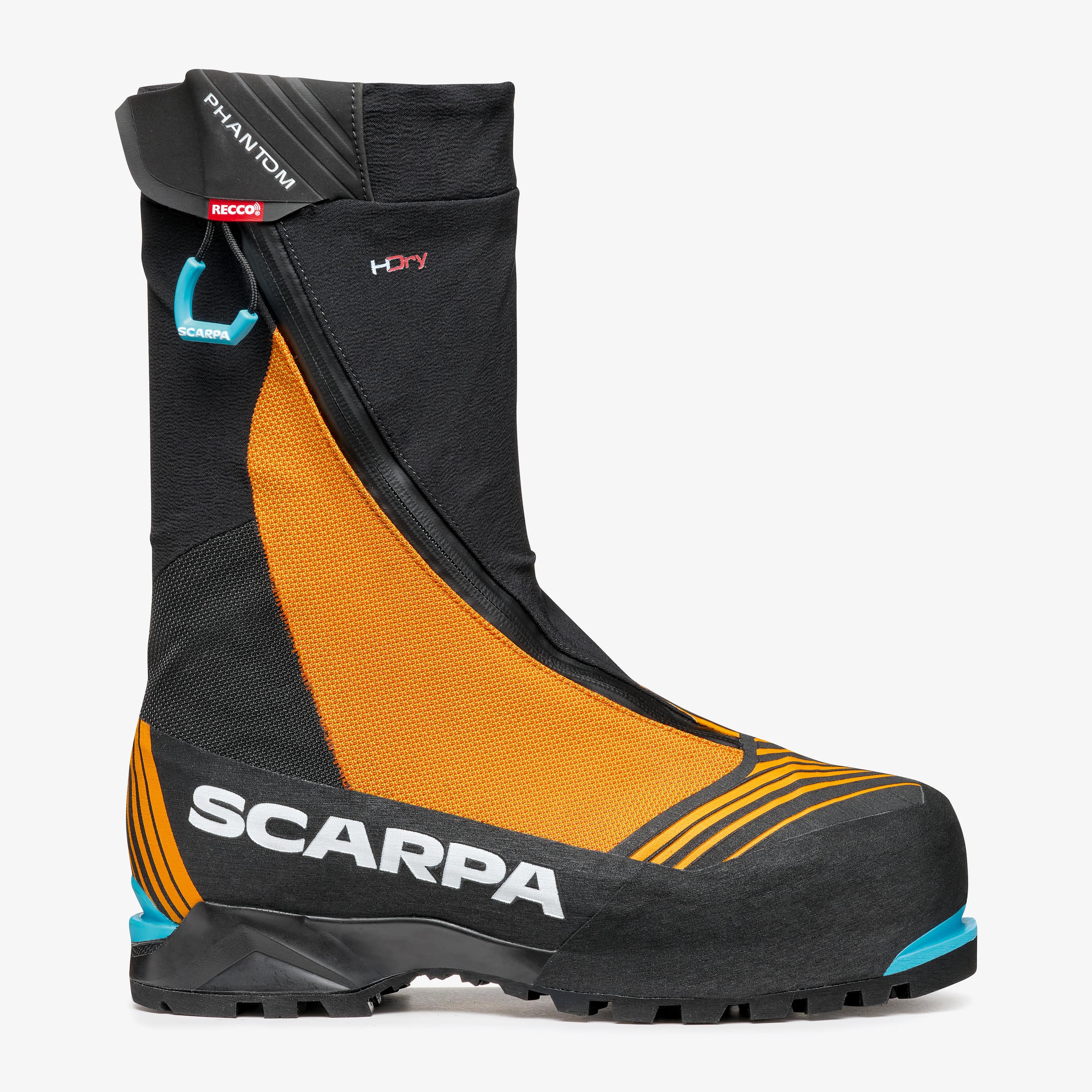
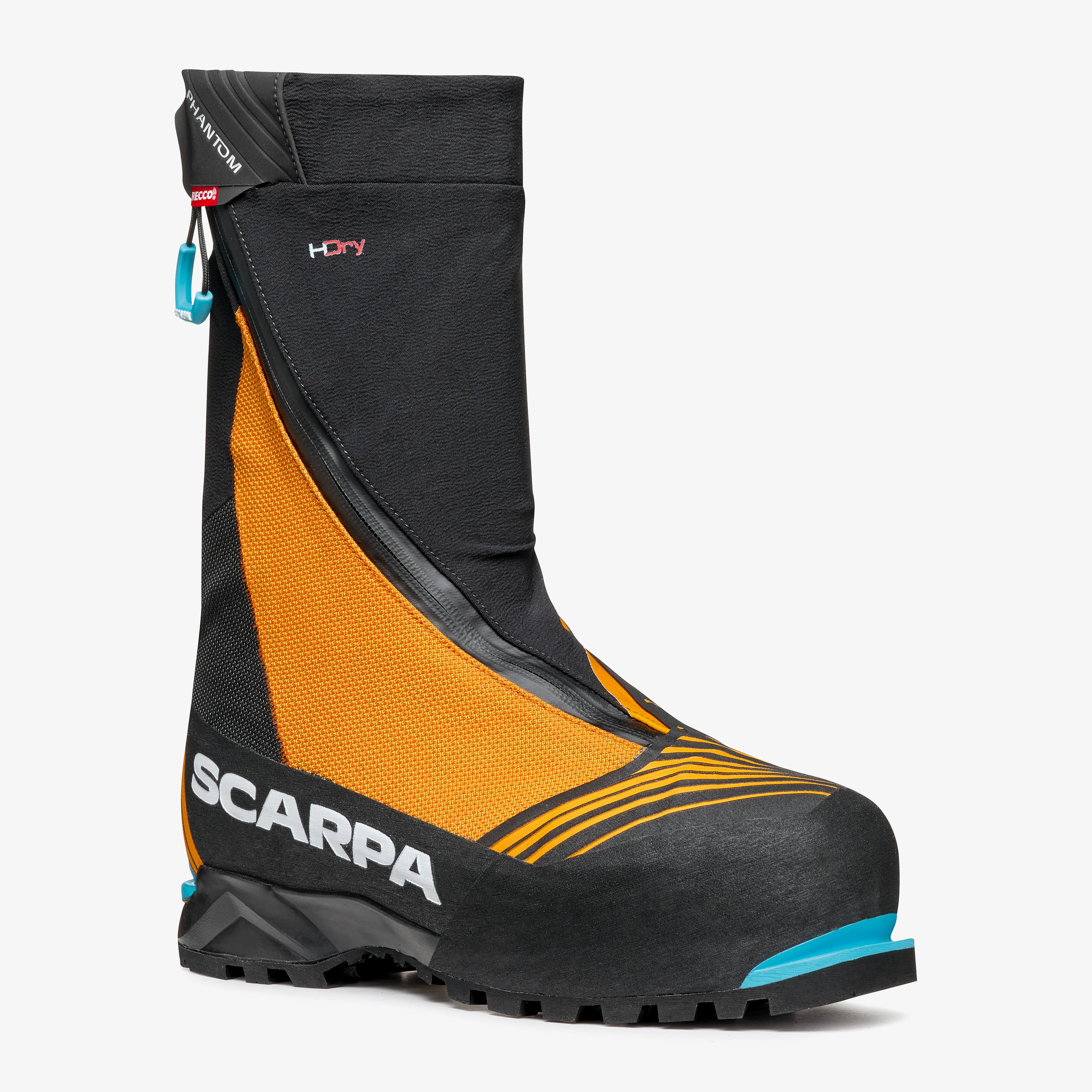
“One day, while shooting the film Antonia, in which I played the role of her mountain guide (Emilio Comici), I climbed both up and down without any form of protection the first pitch (6b) of a route in the Grignetta, Fantasma della Libertà. I was dressed as in the 1920s and wearing a pair of boots similar to those used at the time.
Unfortunately, there was no way to use a safety rope, because we were shooting on film and removing it in post-production would have been difficult. There was also no way to rehearse the route roped before climbing it unroped. That day I did it without reflecting on the disastrous consequences should a foot have slipped or a hold broken. Today I would act with much greater caution.”
The emergency bivouac was a test of resilience and seems like a step forward in your personal awareness. The fire has not gone out yet.
“It was a hard moment, but also a revealing one. I clearly perceived what my limits are in managing extreme situations, fatigue, cold and so on. Knowing this will help me when imagining new challenges in the coming years. Thanks to Numbur, it is as if I suddenly realised that, despite the climbs and adventures already completed, I can truly look toward challenges that to this day have not yet been realised or imagined.”
Are you already dreaming of the next adventure?
“Of course. I still can’t say what the next destination will be, but I know what sensations I am pursuing: surprise, discovery, the feeling of walking in a world I do not know, the possibility of measuring myself against something new. This could happen in the mountains at home or elsewhere: today, adventure, more than a place, is a state of mind.”