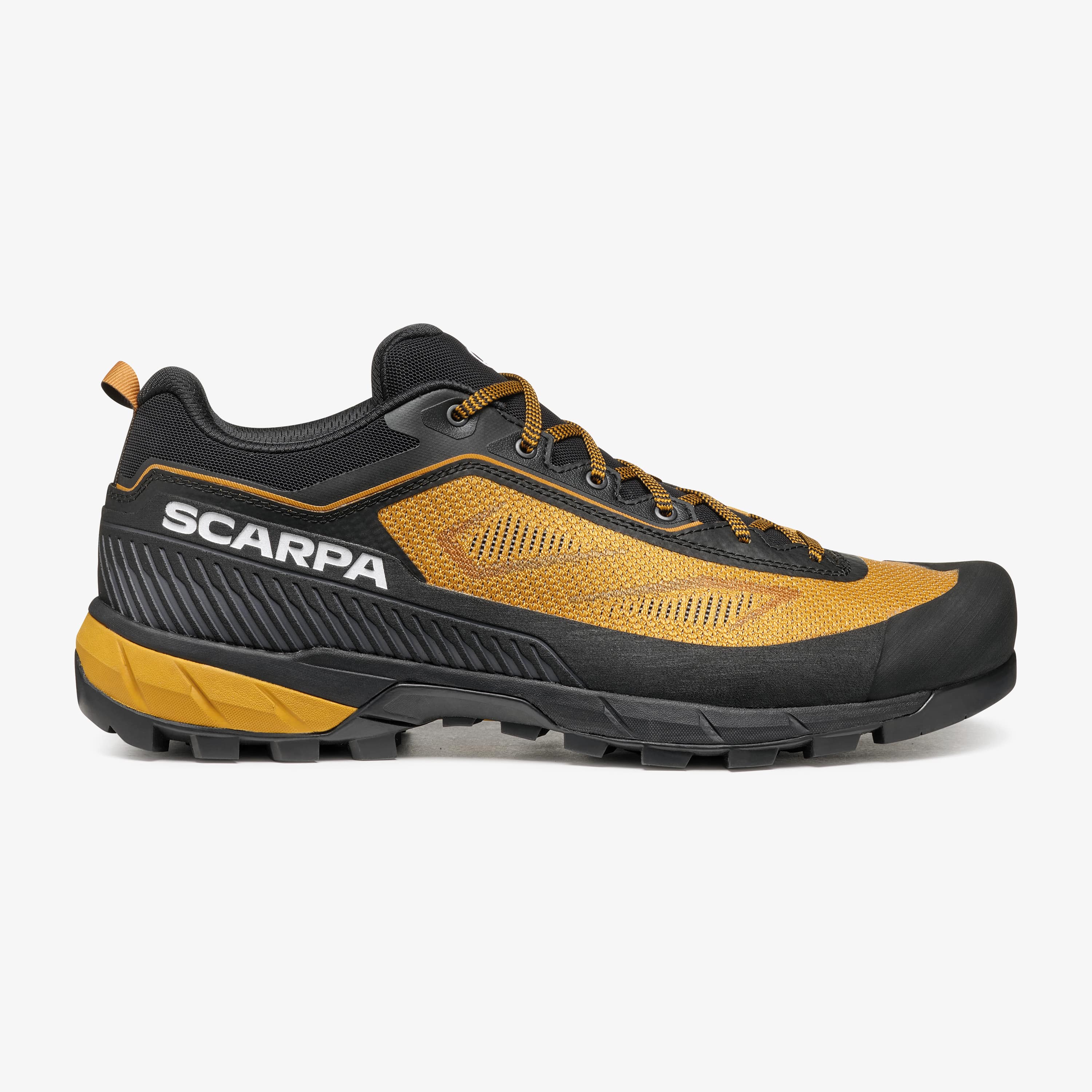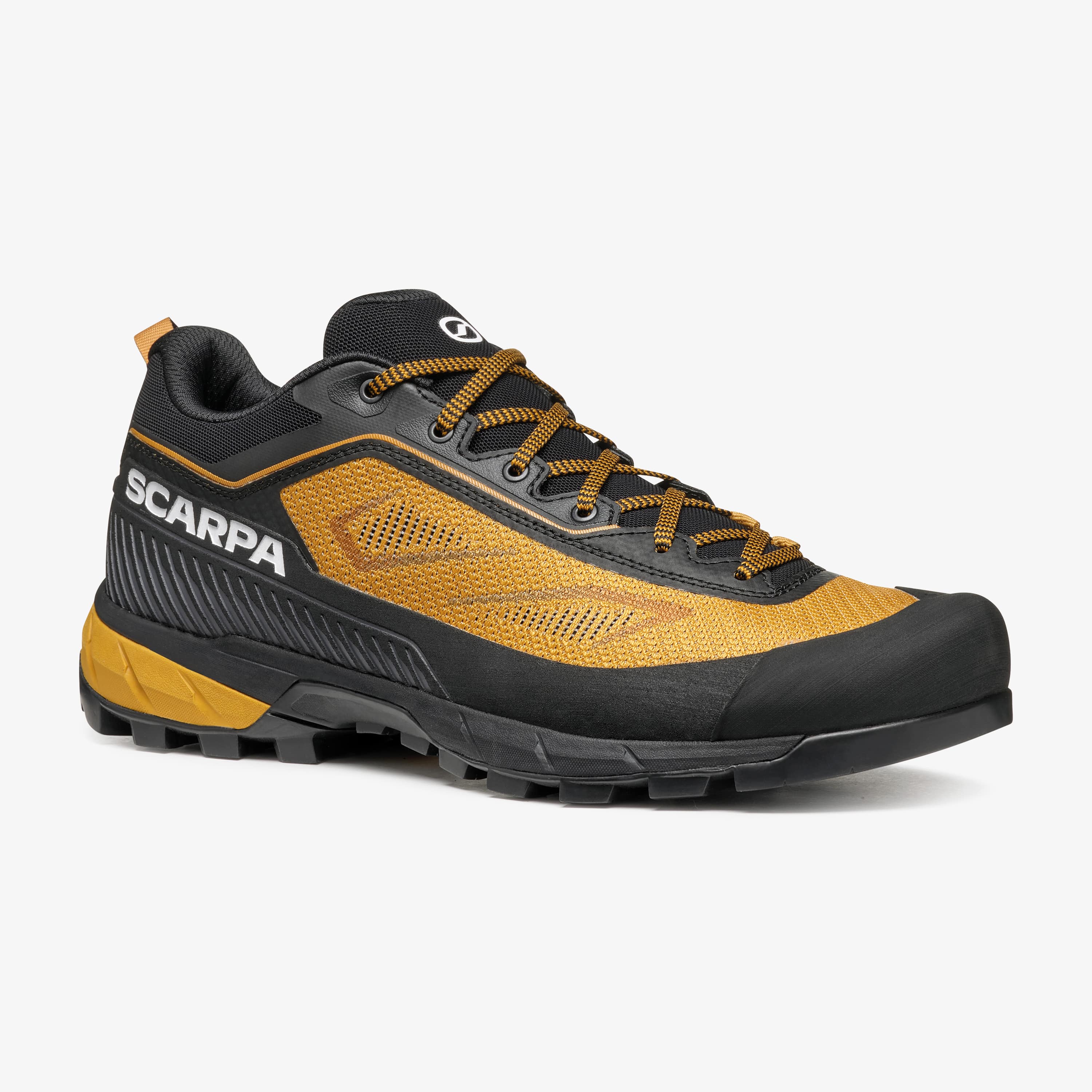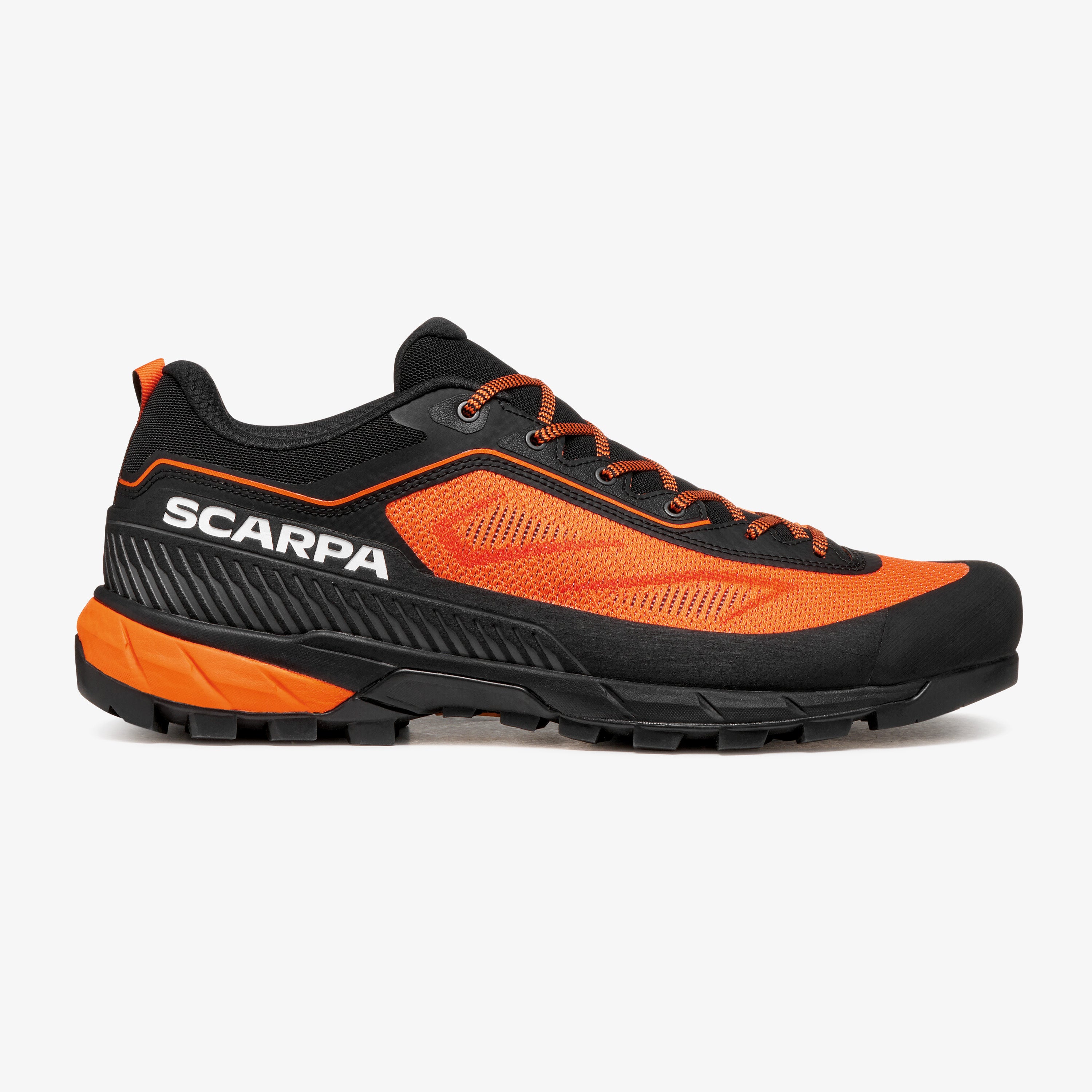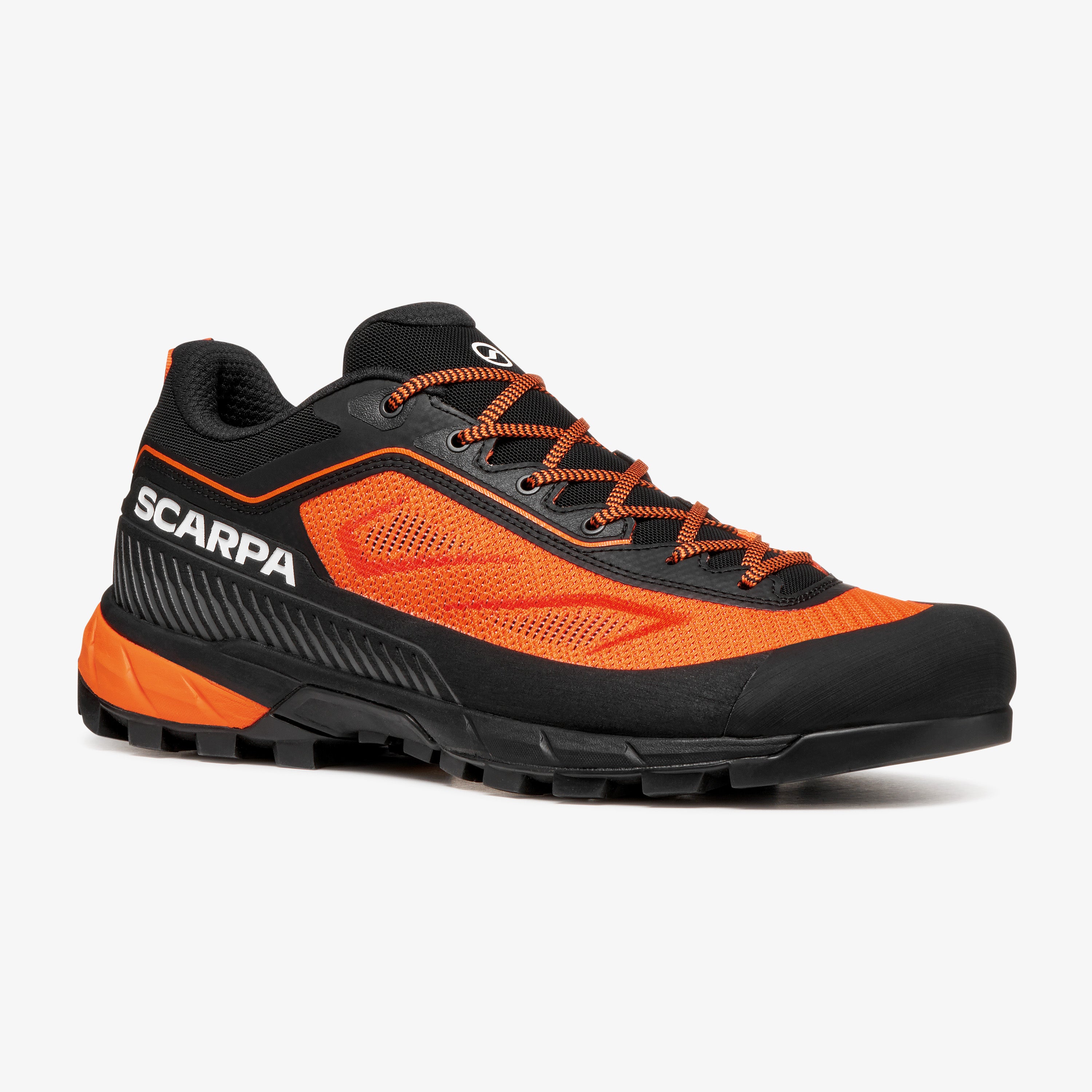





Summer hiking footwear: how to choose the right model
During hikes in the warmer months, high temperatures and dry terrain put comfort and heat management to the test while walking. Summer hiking footwear must be lightweight, stable and able to support the foot even on longer outings, while maintaining precision and control across different types of terrain.
Activities such as hiking, light hiking or trekking on more structured routes require shoes with different characteristics. Choosing the right model means matching the footwear to the type of route, duration and environmental conditions.
Discover SCARPA collection dedicated to men’s hiking and women’s hiking hiking models.
Hiking in the warmer months
During the warmer months, high temperatures and dry terrain can affect hiking comfort. Heat increases sweat and moisture build-up, making it essential to keep feet dry to reduce friction and ensure lasting comfort on long hikes.
Uneven terrain, often dusty and unstable, demands reliable grip and precise control, especially on rocky surfaces.
Hikes also tend to be longer. In this context, footwear that is too heavy or not breathable enough can increase fatigue and reduce precision while walking.
Summer hiking shoes: key features to consider
Lightness and dynamic movement
Lightweight summer hiking shoes support a smoother stride and help reduce fatigue.
In the warmer months, a lightweight construction allows for greater agility and helps maintain precision while walking.
The weight of the footwear can affect perceived fatigue, especially in high temperatures and during longer hikes.
Breathability and heat management
In the warmer months, the shoe’s ability to release heat becomes essential. Uppers should help keep the foot as dry as possible, even during longer hikes.
Versions featuring a GORE-TEX membrane are ideal for variable weather conditions and humid environments. In hot and dry conditions, non-membrane footwear is generally the better choice, offering enhanced breathability and improved moisture management.
Grip on dry and rocky terrain
Vibram® and Presa® outsoles provide grip on dry, uneven or rocky surfaces. In the warmer months, dust and debris can make the ground less stable, making control while walking essential.
Stability and control
Even in summer hiking shoes, stability remains a key element. A balanced construction and effective lacing system help maintain control on uneven terrain.
In the warmer months, every element of the footwear affects comfort and safety while walking. An unsuitable choice can influence the quality of the experience.
Low-cut shoes or mid-cut boots for summer hiking and trekking
The choice between low-cut shoes and mid-cut boots depends on the type of hike and the level of support required.
Low-cut shoes are ideal when agility and freedom of movement are priorities, particularly on well-maintained trails with moderate elevation gain. Lightweight and flexible, they are especially well suited to hiking in the warmer months.
Mid-cut boots offer greater ankle support and protection. They are recommended when the terrain is unstable, elevation gain increases or more demanding routes need to be tackled.
Which models to choose based on the type of hike
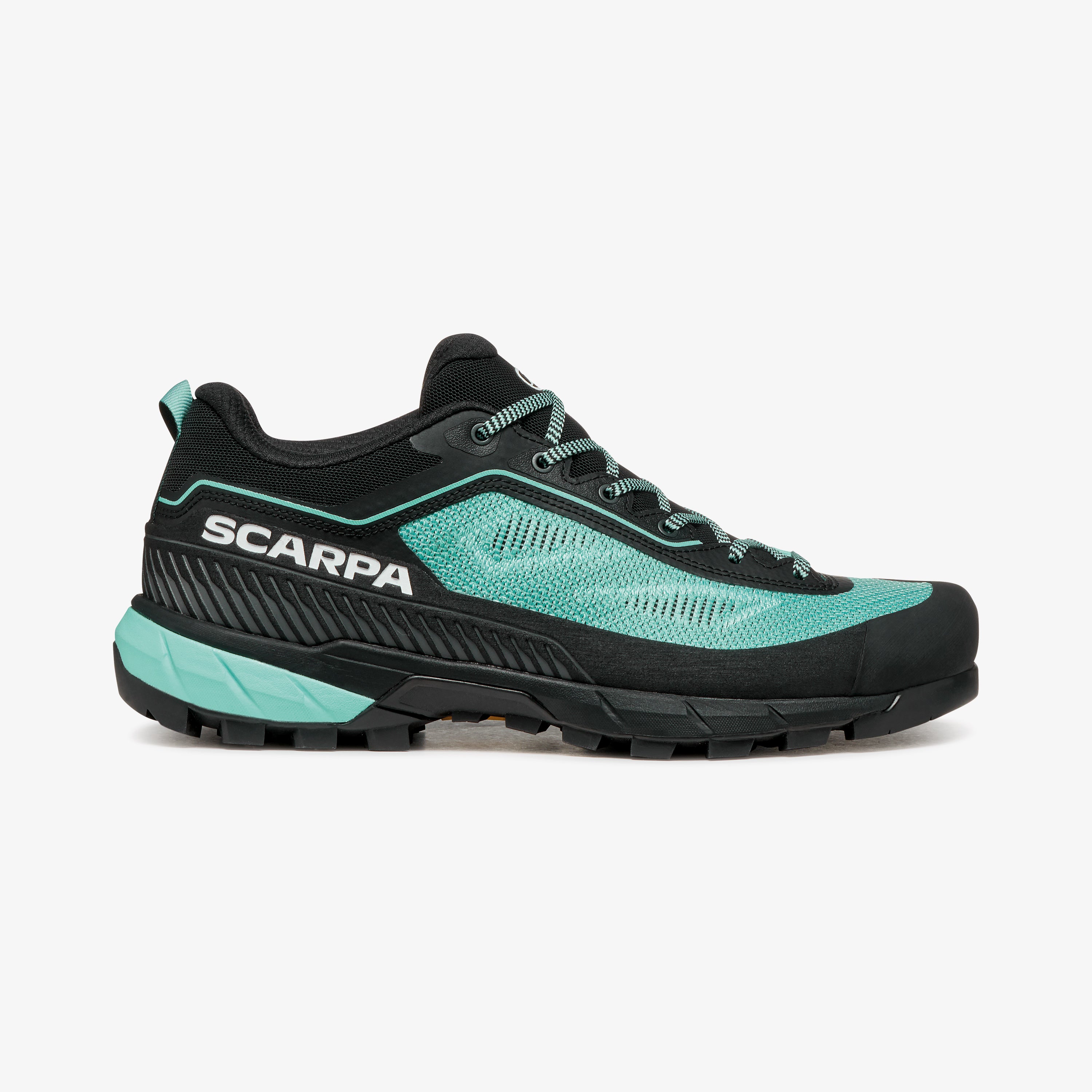
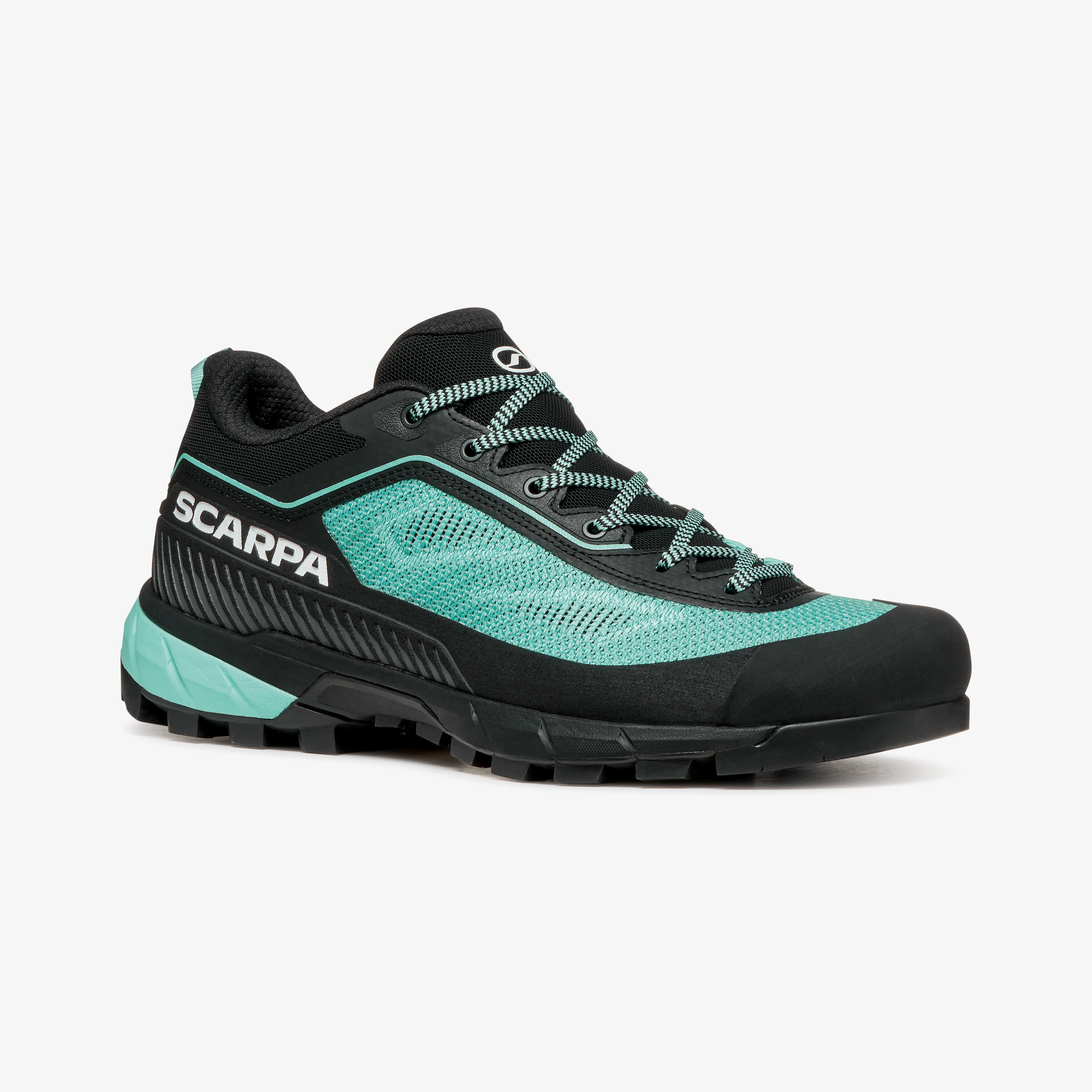
For hiking, models such as Mescalito and Rapid LT are designed to offer lightness, comfort and a smooth stride on trails and dirt paths. For light hiking, lightweight and versatile solutions such as Ribelle Cross 2 and Ribelle Cross 2 Mid offer a good balance between agility and support.
For more structured trekking routes or outings with a medium load, Mustang TRK GTX and Ribelle TRK GTX are designed to handle more demanding terrain, providing greater protection and a more solid structure.
For technical approaches or rocky routes, Rapid XT and Rapid XT Mid GTX are designed to deliver precision and grip, maintaining control while walking.
Each SCARPA model is developed to meet specific needs, balancing support, stability and freedom of movement.
Mistakes to avoid when choosing summer hiking footwear
Choosing the wrong summer hiking footwear can negatively affect the experience, even on simple routes.
The most common mistakes include:
Using footwear that is too heavy for light hikes
Underestimating the importance of breathability on hotter days
Choosing models that are too structured for smooth trails
Not considering terrain type and route difficulty
Not properly evaluating comfort in high temperatures
Making the right choice starts with understanding the type of hike and the actual conditions of the route.
Choosing the right footwear depends on the balance between lightness, breathability and support. Evaluating the route type, temperatures and activity intensity helps identify the most suitable model, maintaining comfort and control even on the hottest days.