



Beginner hiking shoes: how to choose your first pair
When starting to walk in the mountains, people often refer to beginner trekking shoes. In most cases, however, the first routes are more accurately classified as hiking, on easy to moderate trails.
For this reason, the first choice should focus on footwear designed for hiking, offering a lighter, more versatile and easier-to-manage construction. Beginner hiking shoes should provide comfort, stability and a natural stride, without introducing unnecessary technical features.
Discover SCARPA hiking footwear for men and women.
Hiking vs trekking: understanding the difference in footwear
The difference between hiking and trekking is not only related to route difficulty, but also to the level of support required from the footwear.
On hiking trails, usually easier or moderately technical, lighter footwear with a less rigid structure is generally preferable, promoting a smoother and more natural stride.
Trekking, especially on longer routes or while carrying a backpack, requires greater support and protection. Footwear becomes more structured to handle elevation gain, uneven terrain and extended outings.
For beginners, starting with footwear designed specifically for hiking helps develop control and sensitivity while avoiding unnecessary technical complexity.
How to choose your first hiking model
One of the most common mistakes is choosing highly technical footwear too early. In most cases, beginner routes involve simple or moderately challenging trails, where balanced footwear is more useful than advanced constructions.
Rigid boots or models designed for demanding terrain are usually unnecessary at the beginning. On easier trails, footwear created for long-distance or technical trekking can reduce natural movement and comfort during hikes.
For first experiences, it is generally better to choose hiking footwear that balances stability, lightness and ease of use.
Low-cut hiking shoes or mid-cut boots: choosing based on use
The distinction between low-cut shoes and mid-cut hiking boots is one of the first aspects to evaluate.
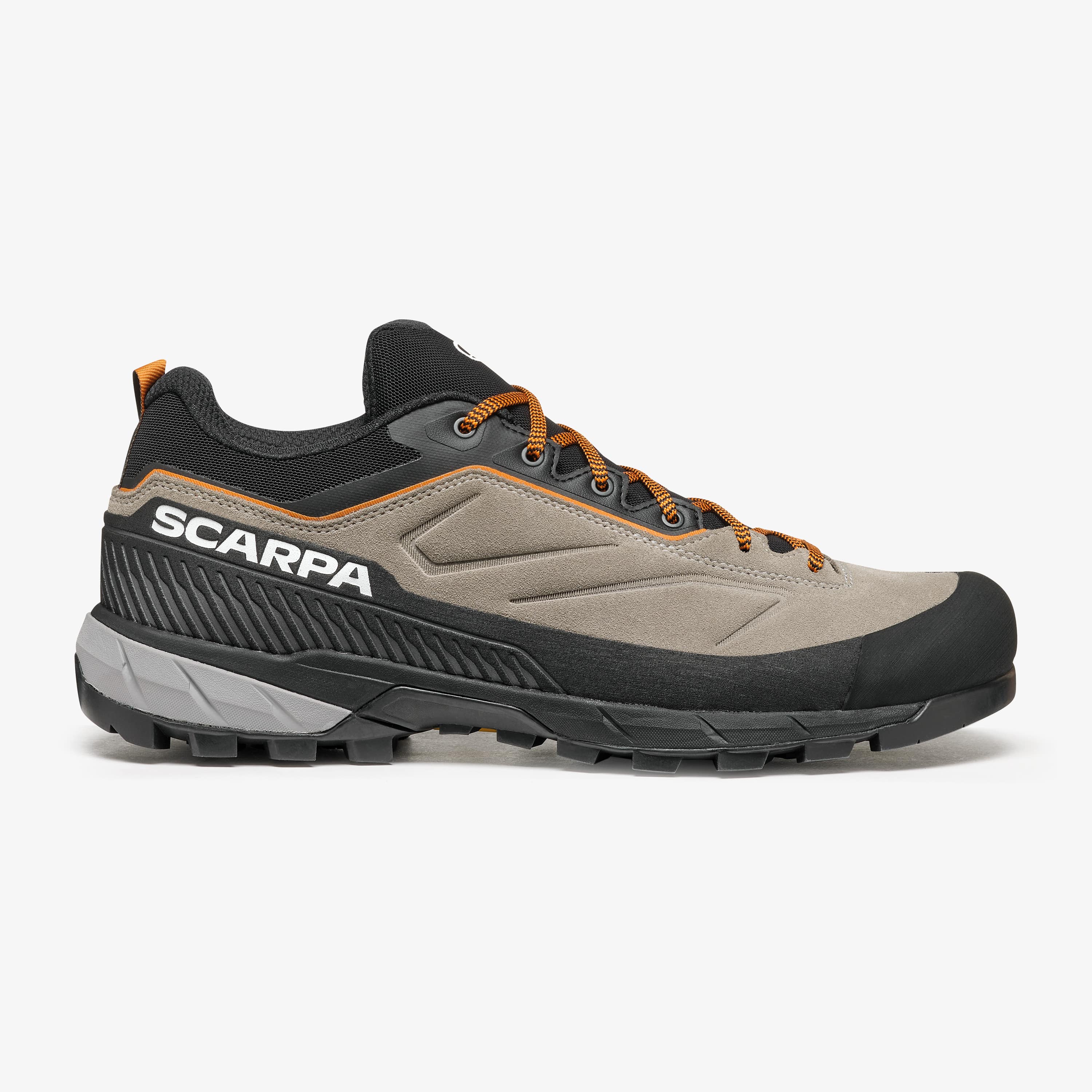
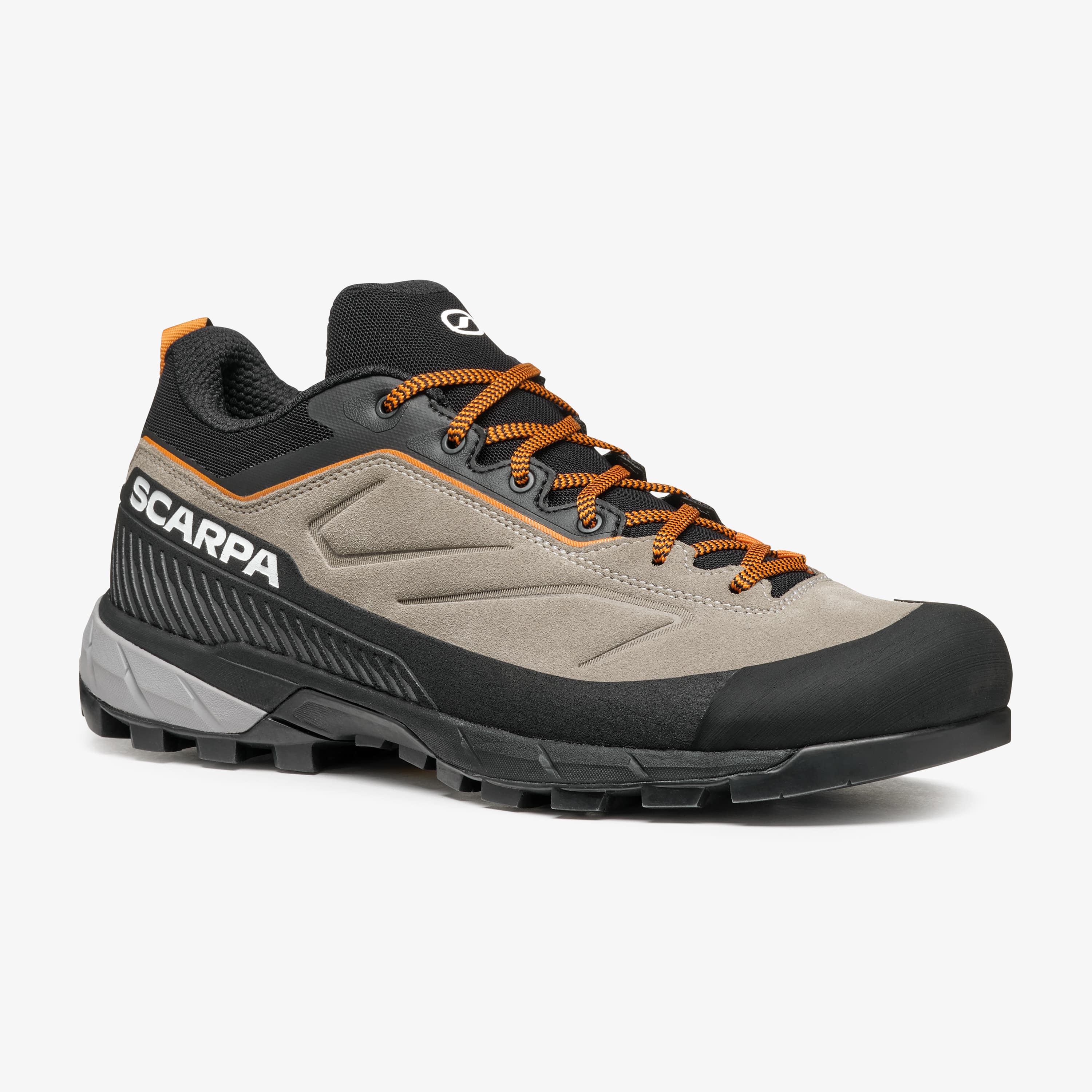
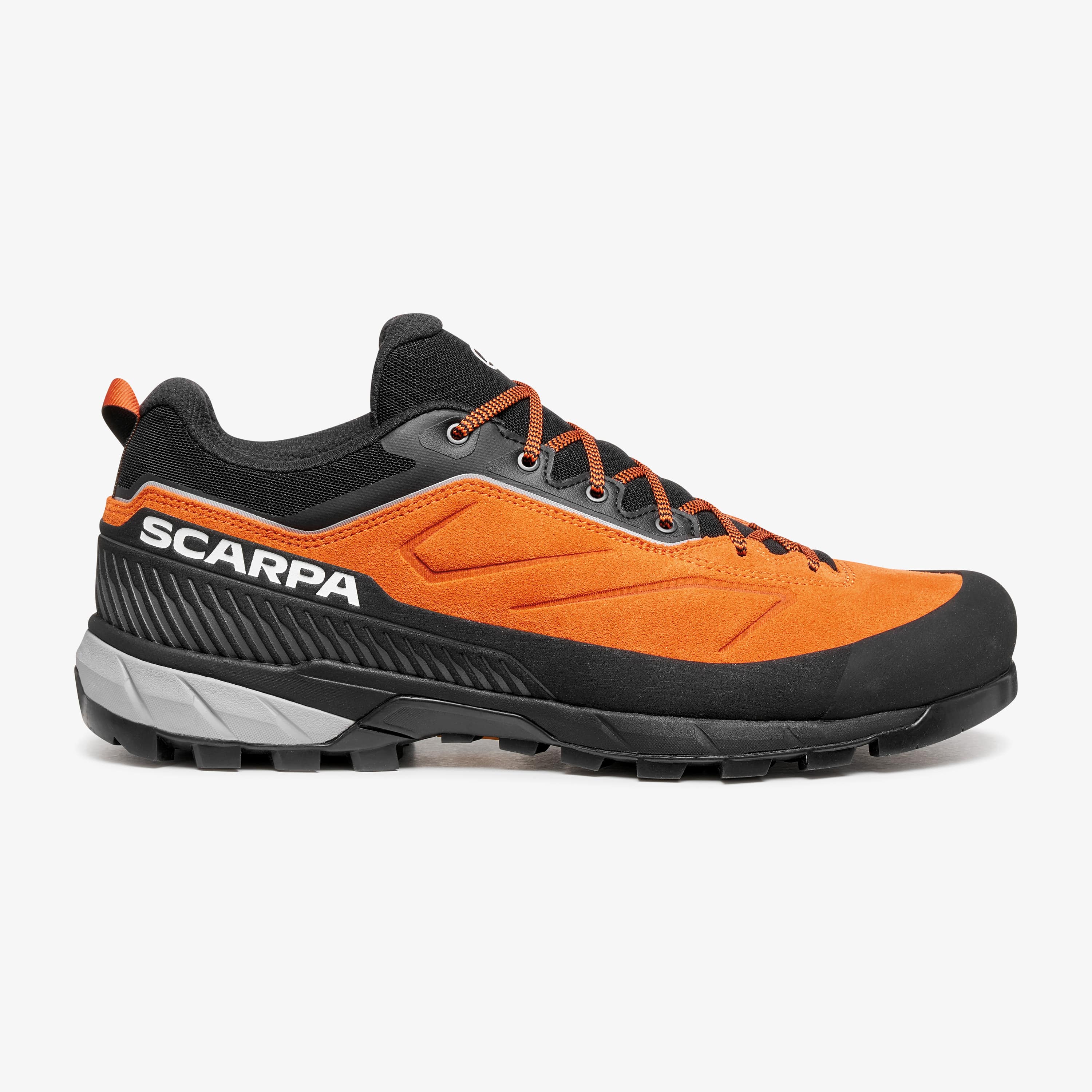
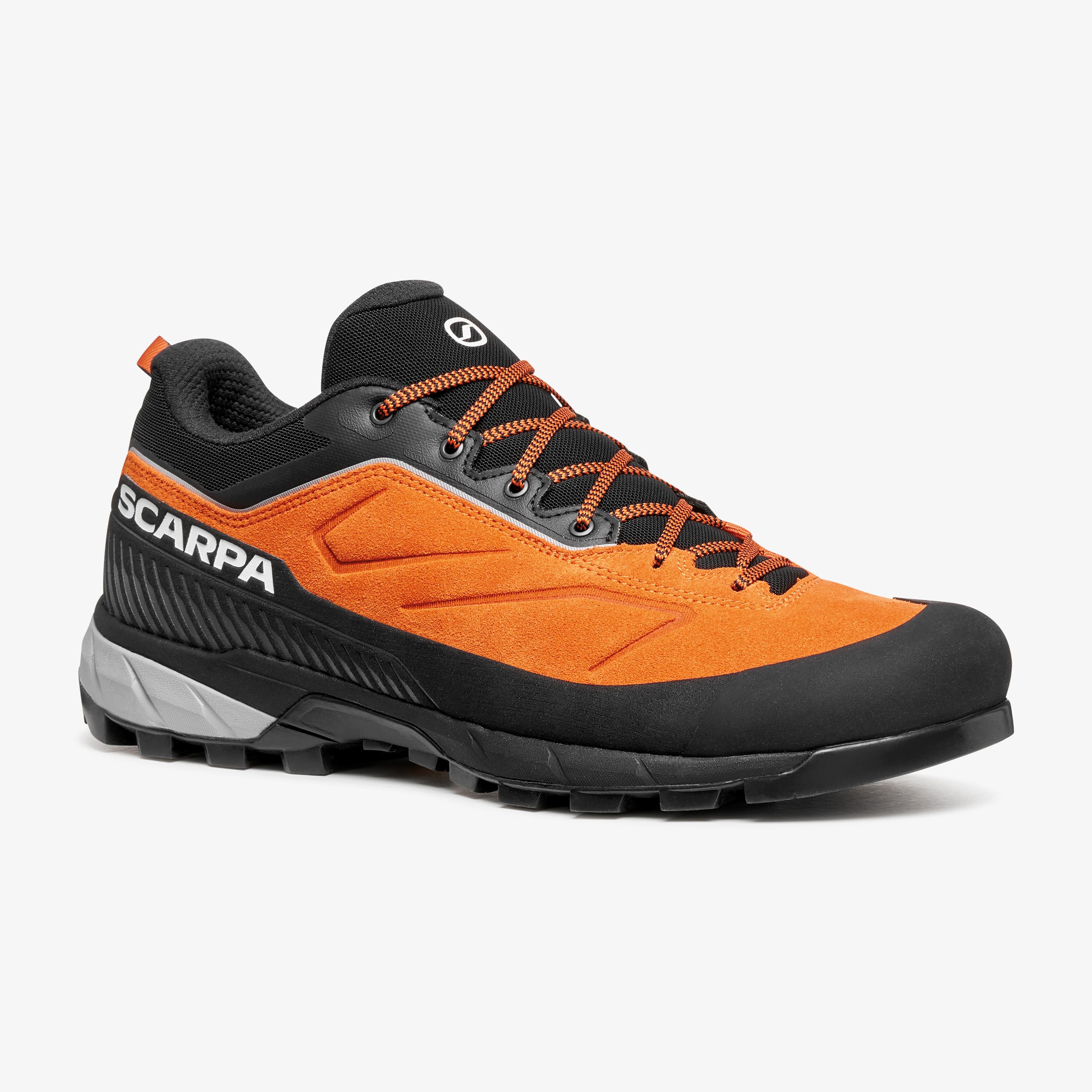
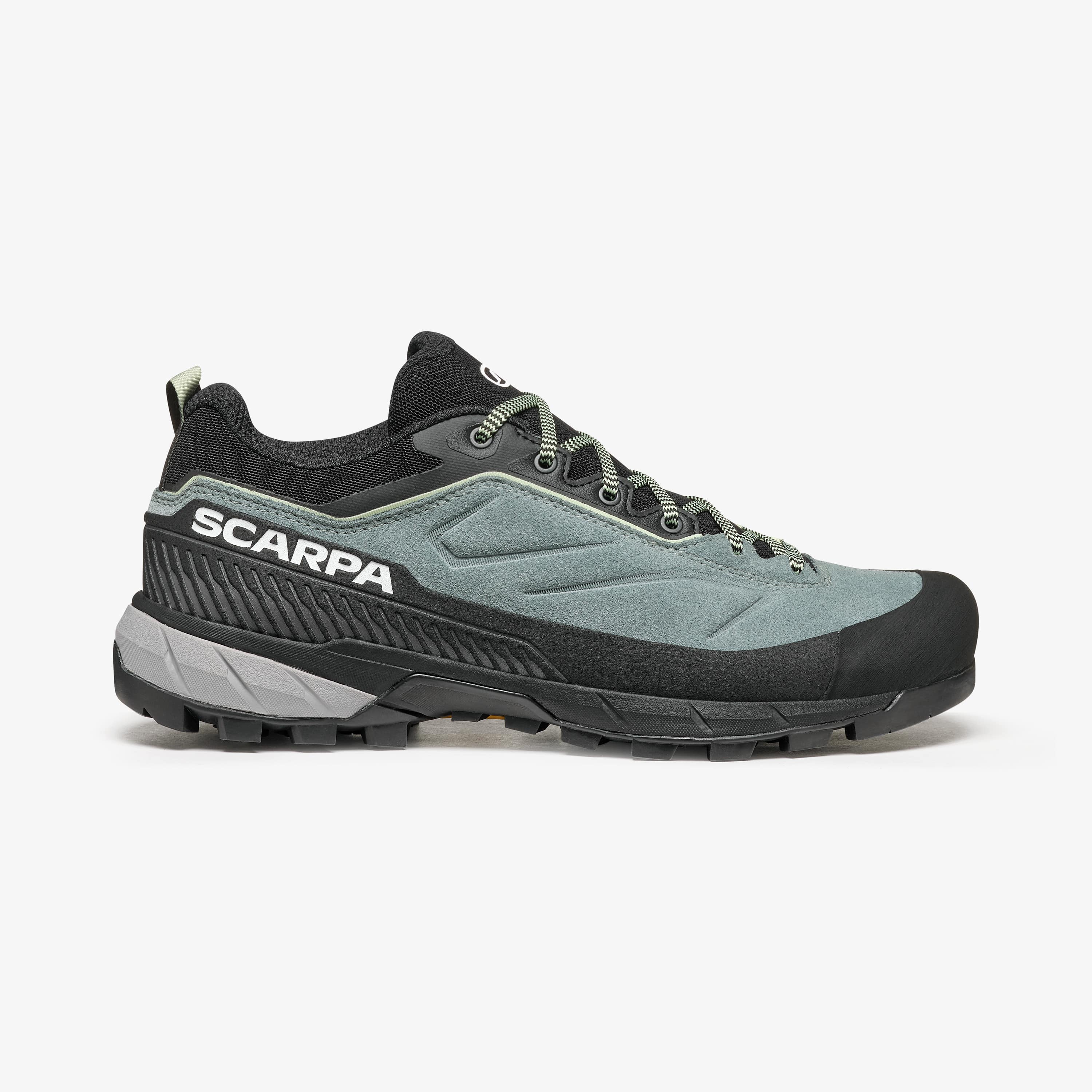
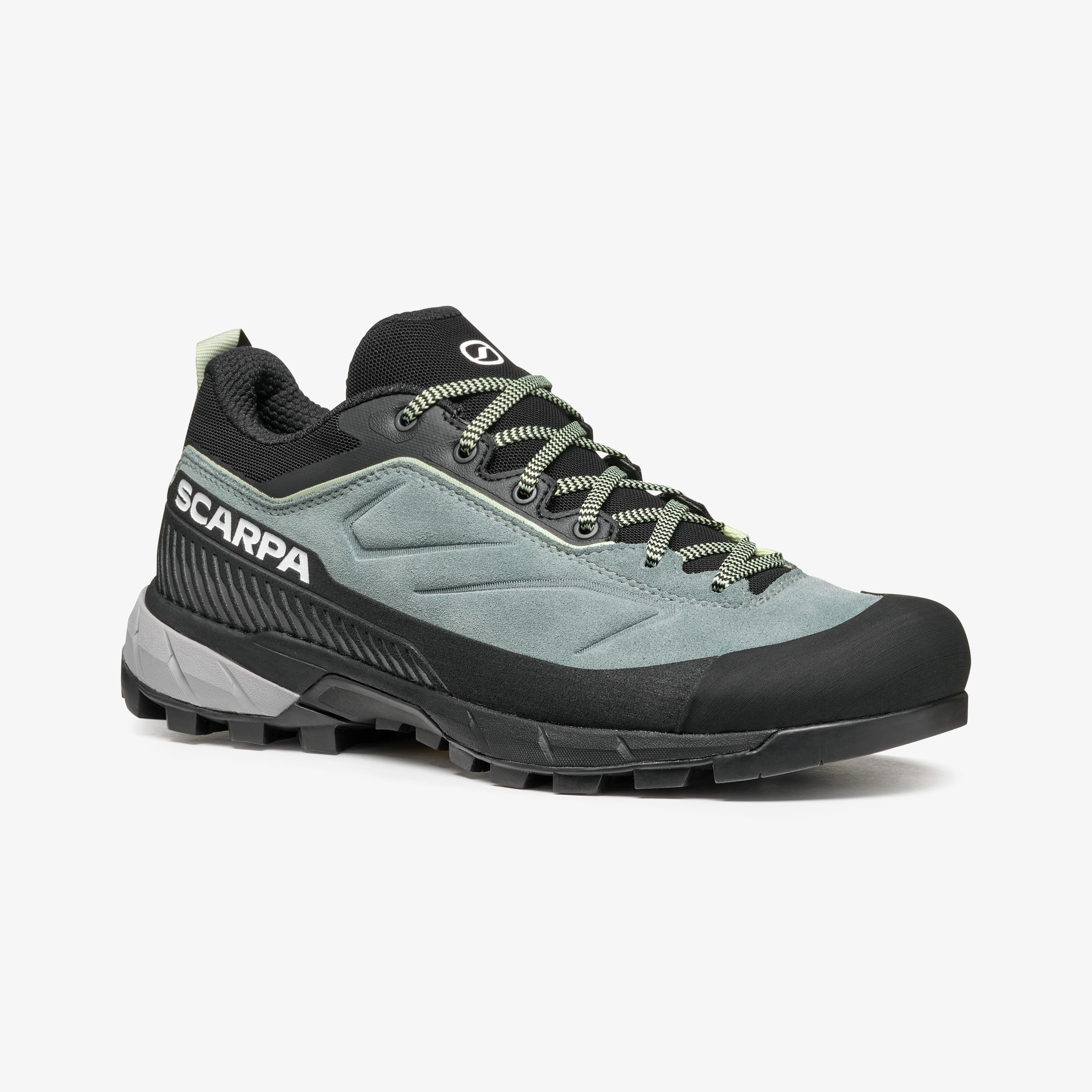
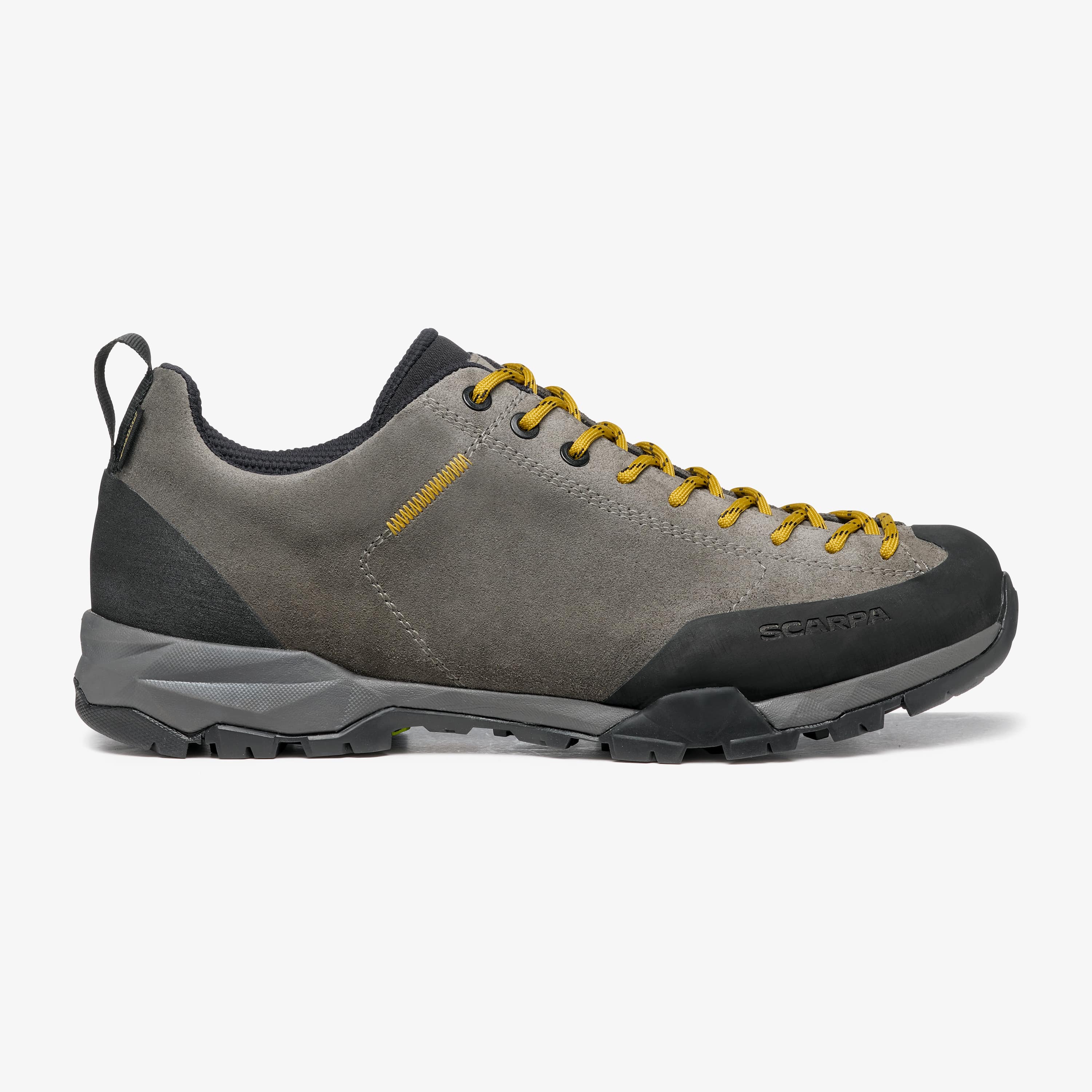
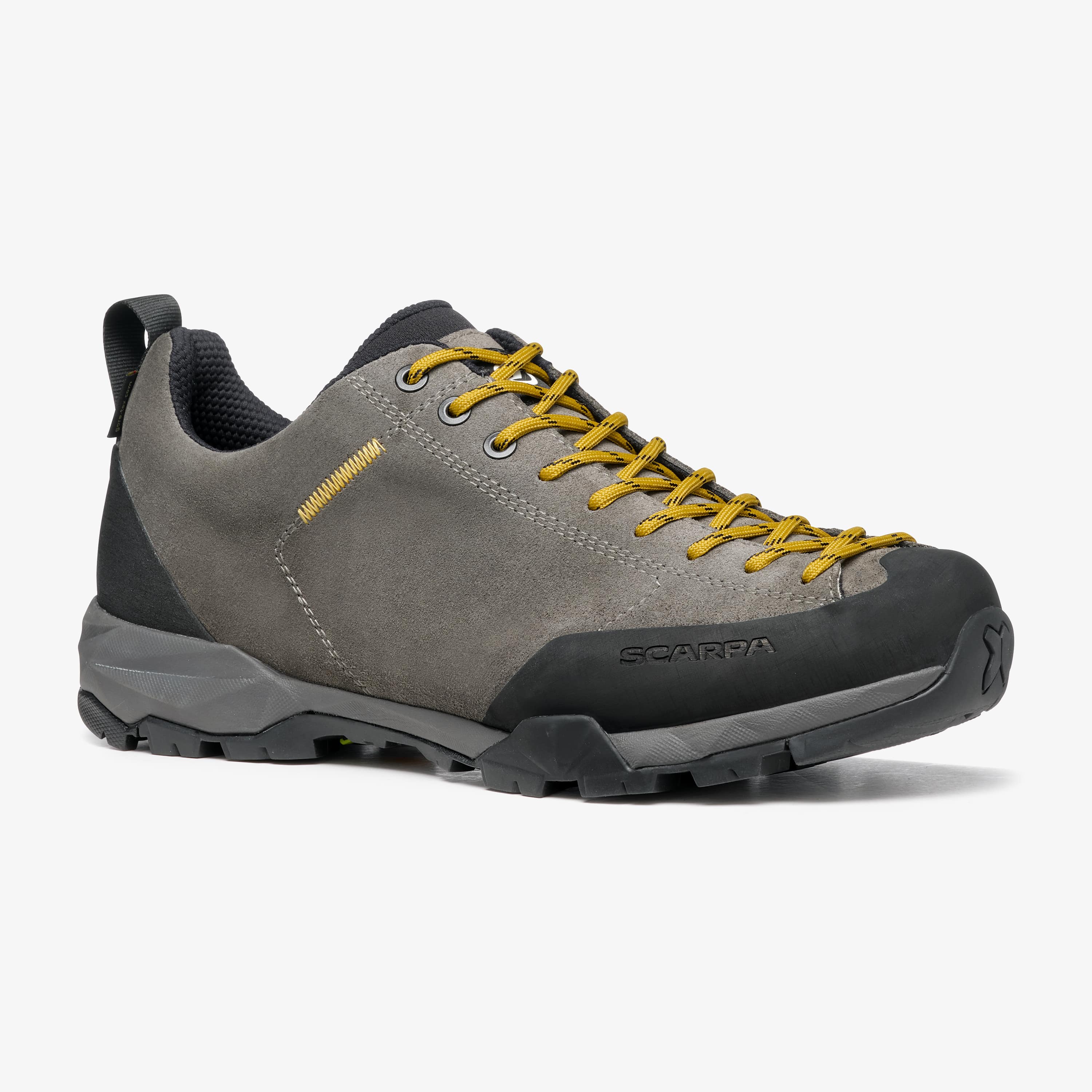
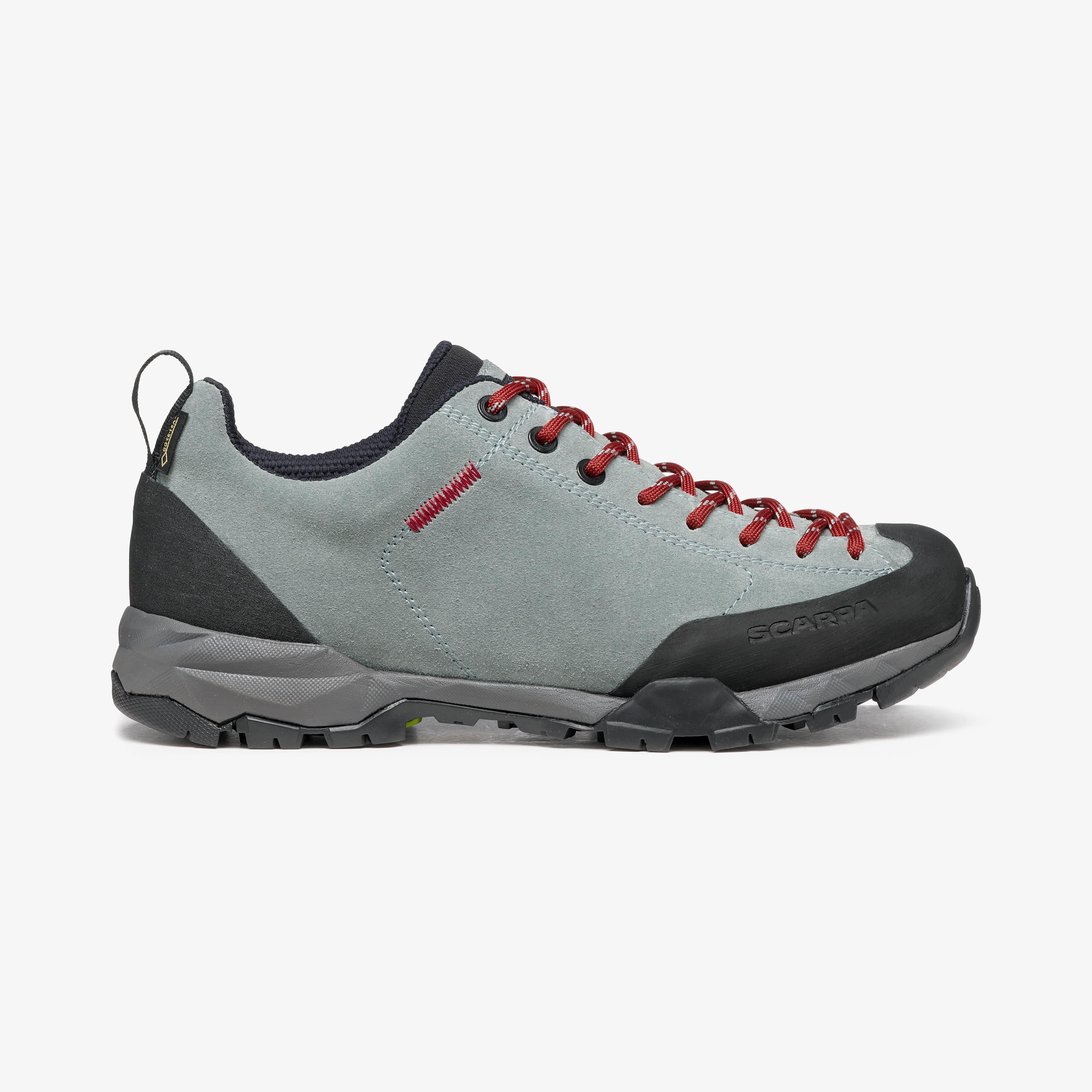
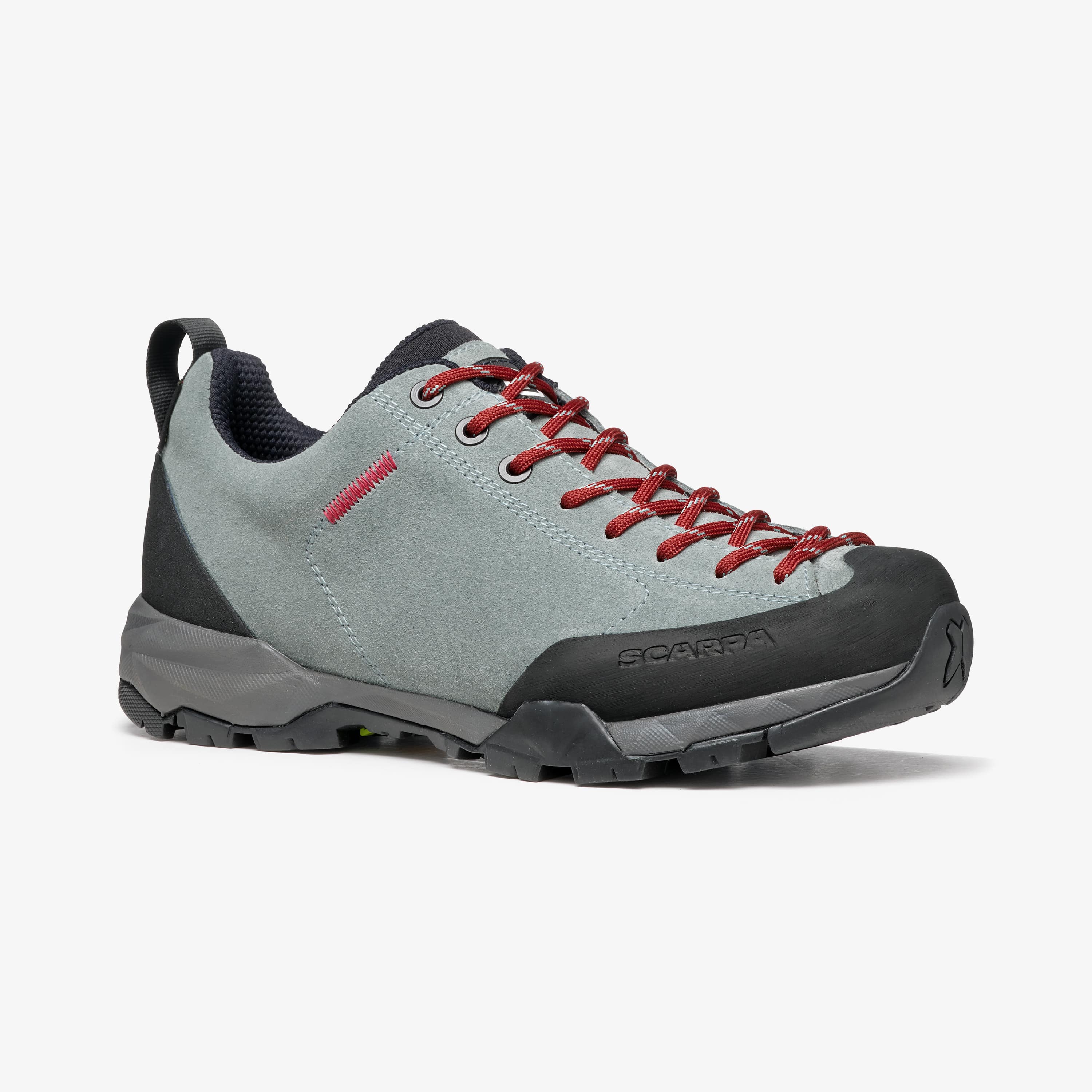
Low-cut shoes are often the most natural starting point. Lightweight and flexible, they encourage a fluid stride and help build confidence on well-marked trails.
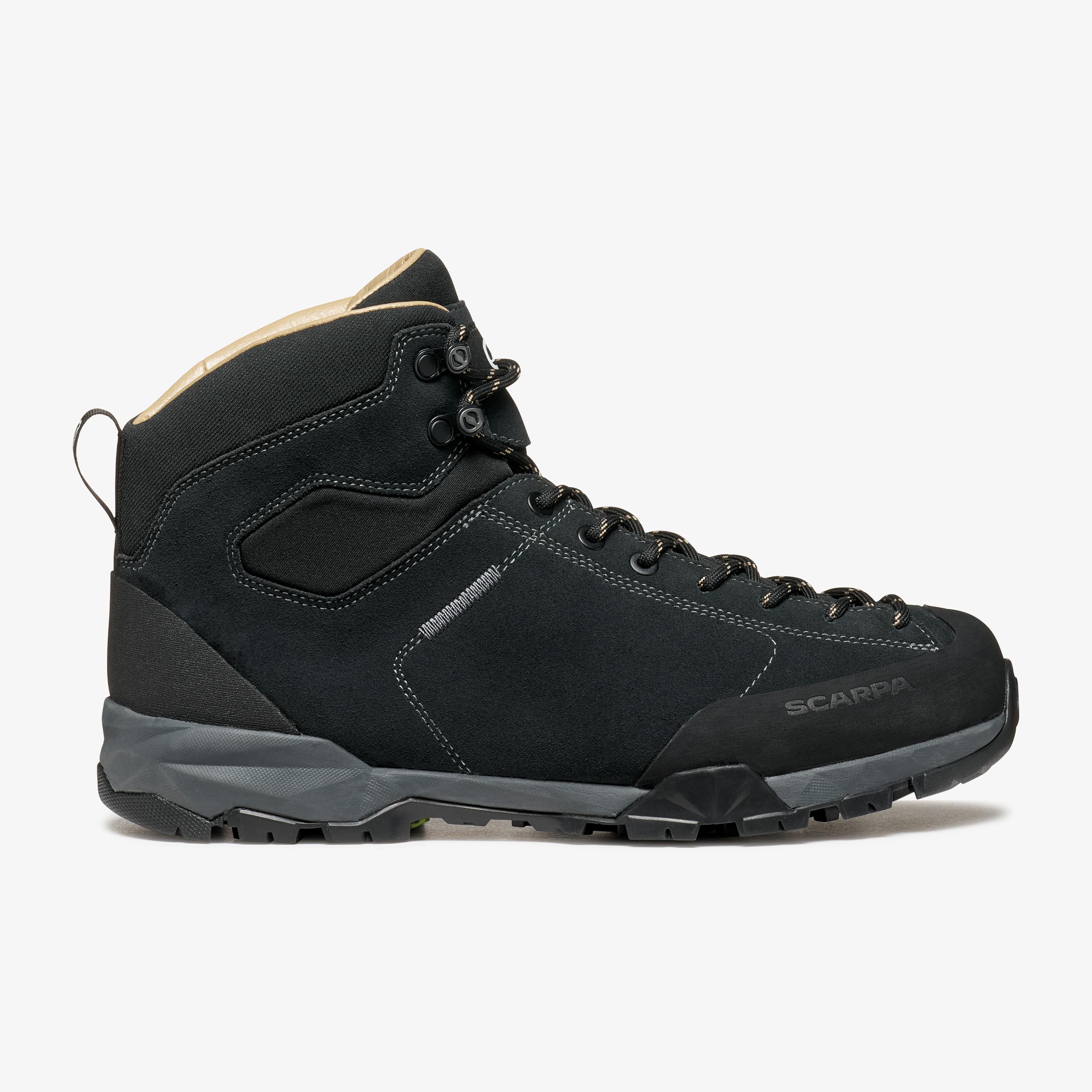
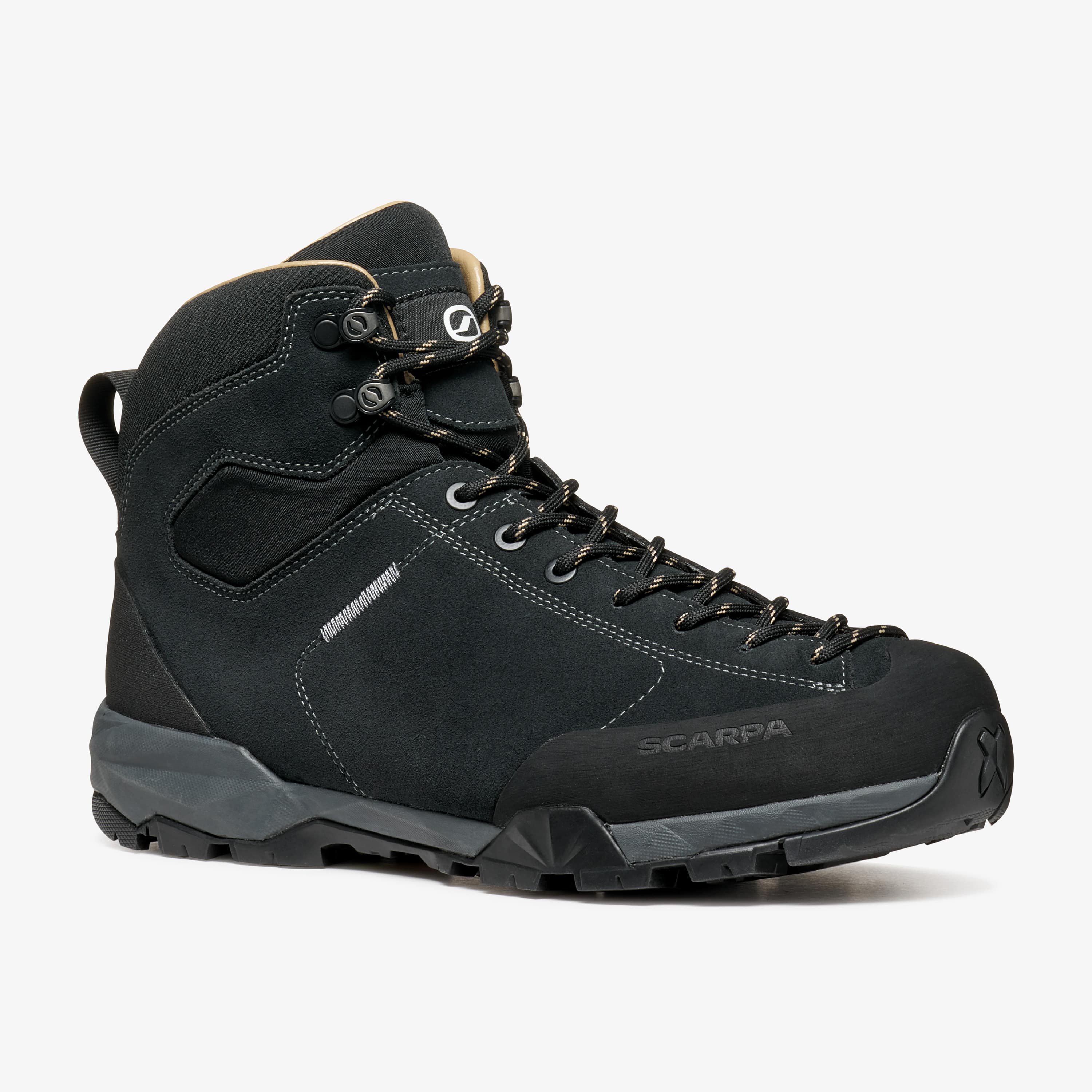
Mid-cut boots provide more ankle support and protection. They are more suitable when terrain becomes uneven, elevation increases or routes become longer and more demanding.
The choice depends on the type of trail. Starting with a simpler solution helps build confidence and experience on the trail.
The features that really matter
To make the right choice, it is important to focus on a few essential aspects.
The first is comfort. Footwear should feel comfortable immediately, without pressure points or excessive stiffness. A natural fit helps maintain continuity and reduce discomfort during hikes.
Stability is equally important. Even on easier trails, a solid base improves confidence and control, especially on uneven terrain.
Weight also influences perceived fatigue during longer hikes. Lightweight footwear supports a smoother and less demanding stride, particularly over longer distances.
Finally, versatility. A model suitable for different environments allows beginners to explore various trails without needing multiple pairs of footwear.
To explore these aspects further, read the guide on how to choose mountain footwear.
SCARPA models for beginners
Within the SCARPA collection, several models are specifically designed for hiking and progressive trail use.
Mojito Hike GTX, Rapid XT and Mojito Trail GTX feature constructions focused on comfort and ease of use, making them suitable for trails and dirt paths.
For hiking during colder months, Moraine Polar GTX is a waterproof and comfortable boot designed for long winter days on the trail.
Choosing the right model should always start from the type of route, without anticipating needs that typically develop with experience.
Mistakes to avoid when choosing hiking footwear
Some choices can make the first hiking experiences more difficult:
Choosing footwear that is too technical for the intended use
Underestimating comfort during fitting
Selecting footwear that is too heavy
Not considering terrain type
Prioritizing aesthetics over functionality
Avoiding these mistakes helps create the right foundation and move with greater confidence from the very first hikes.
Choosing beginner hiking footwear means finding the right balance between comfort and functionality. The right model helps approach the first trails more naturally, allowing experience to gradually guide future choices toward more specialized solutions.