


Kristin Harila Turns the Page
A record-breaking athlete looking to the future and showing her human side
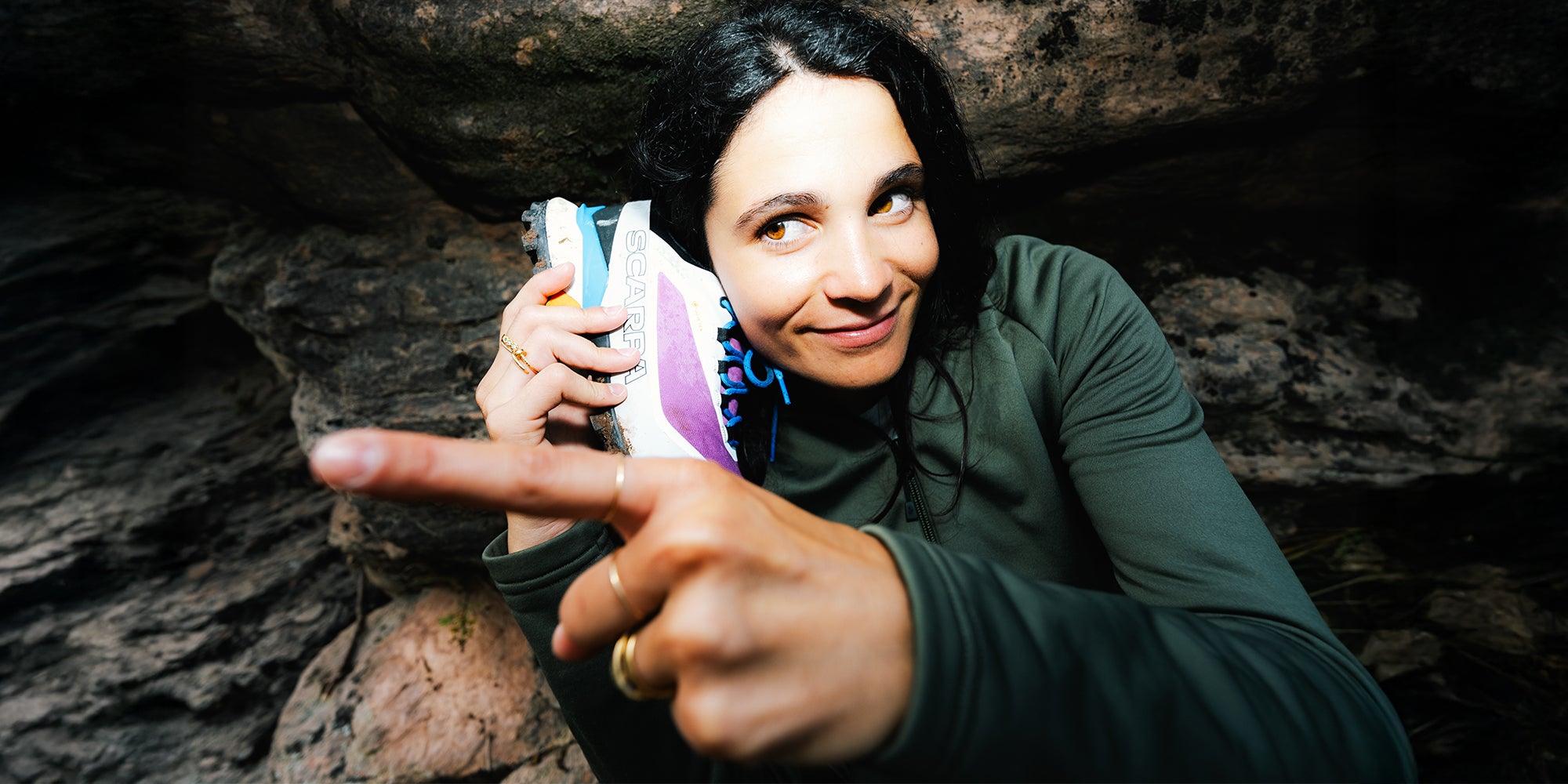
Kristin Harila, Norwegian mountaineer and former cross-country skier, has recently returned from yet another intense expedition to the Himalayas.
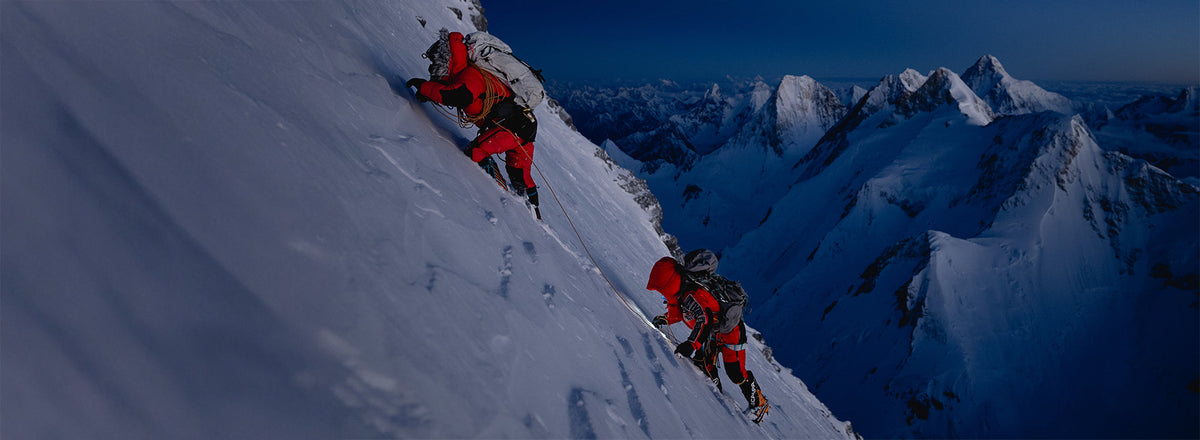
Kristin is forty years old, and over the past decade she has gradually spent more and more of her life among the world’s highest mountains. Her name has become synonymous with records and speed ascents that have amazed, and at times divided, the mountaineering world. And this time was no exception: she completed the Triple Crown at speed, summiting Nuptse (7,861 m), Lhotse (8,516 m) and Everest (8,848 m) in the same season — or, more precisely, within just ten days.
But once she returned home, something had changed. She said that perhaps the time had come to turn the page. So we got in touch with her for a conversation that goes beyond the achievement itself. Because before being an unstoppable athlete who seems immune to fatigue, Kristin is a woman, with her own emotions and vulnerabilities, genuine and deeply human. And human beings have the fascinating ability not only to achieve extraordinary things, but also to change and evolve. This is the life of elite athletes and, perhaps, in the end, the life of all of us.

Kristin, you have countless Himalayan expeditions behind you. What keeps drawing you back, and what part of the journey do you love most?
“I have a deep love for the mountains. I live to climb them, and when I do, I feel so fulfilled that I truly feel like myself. Climbing itself is what I love most.
But then there’s base camp. The media often portray it negatively, describing it as a toxic, hyper-competitive environment. My experience has been completely different: I’ve found an incredible community there. Every time I return to Nepal, it feels like coming back to a second home, welcomed by people who care about me. There are people waiting for me, but also new people to meet and new connections to make.”
Do you also spend time in the mountains at lower elevations in your everyday life?
“Whether I’m at home in Norway or away on an expedition, my goal is to spend as much time as possible in nature. But I often find myself caught in a kind of emotional trap: when I’m at home, I can’t wait to leave again and head back to the mountains, but when I’m up there, I miss home.
I have many friends waiting for me, although I haven’t started a family. What I do at altitude is probably too risky for that, and being away for such long periods doesn’t make it any easier.”
How did this journey begin for you, and why?
“By mistake or rather, by chance. Ten years ago, I travelled to Africa and climbed Kilimanjaro, and that opened up a whole new world for me. Three years after that trip, I left my job to pursue the mountains full-time. It wasn’t easy at first, but I always believed in myself.”
And now? What comes after this latest achievement?
“I feel it’s time to close this chapter and start a new one. I’ve taken risks, and I’ve been lucky. For years, my entire life has revolved around expeditions.
Before leaving, there is an enormous amount of logistical and organisational work to do. When you come back, your body needs an incredible amount of time to recover, much longer than people might imagine. And as soon as you’ve recovered, it’s already time to start planning the next departure. Now I feel that I want something more from life.
I’m currently involved in a training project for Nepali Sherpas and porters. After everything I’ve seen over the years, I want to try to do my part to reduce accidents in the Himalayas. Unfortunately, even today, many high-altitude workers are not fully aware of the risks or do not have adequate training and technical preparation.”
So does that mean Kristin the athlete is being put away for good?
“Absolutely not! I want to explore the world of mountain ultramarathons, races of one hundred kilometres or more. There are so many incredible trails and routes around the world. It will be the perfect excuse to discover new mountains and, I’m sure, learn something more about myself along the way.”
Your perspective as a woman on high-altitude expeditions is particularly valuable. How do you see the presence of women in this world?
“High-altitude mountaineering is still a heavily male-dominated environment. Just think that women account for only around 20% of those who receive permits to climb Everest. This gap is also reflected in the world of sponsorship.
A few years ago, expedition down suits were designed and produced exclusively for the male body. My first high-altitude suit was a men’s model, and I had to alter and adapt it myself.
It was difficult at first. My mantra has always been to listen to what my body is telling me and remind myself that I don’t have to prove anything to anyone. Things are easier today: I’m well known now, and I feel more appreciated and respected, including as a woman. The situation is slowly improving, but there is still a long way to go!”
What advice would you give to women who spend time in the mountains?
“Always take things one step at a time, without rushing. That’s how you climb mountains: with patience.
And here’s a piece of advice that applies to everyone: rely on mountain guides. They are the true points of reference in the mountain world. The stages of my journey that I’ve shared with them have been incredibly valuable experiences. Everything I’ve learned by their side is something precious that I’ll carry with me forever.”