


Mountaineering Boots
SCARPA mountaineering boots are engineered for high mountain environments, glaciers, technical faces and mixed terrain, where protection, stability and precision are essential. The collection includes solutions for classic mountaineering, technical and fast alpinism, and dedicated options for high-altitude expeditions. Each mountaineering boot is developed to deliver reliable control in demanding conditions, with men’s and women’s versions designed for a more targeted fit.
3 products
Sort by
1 color available
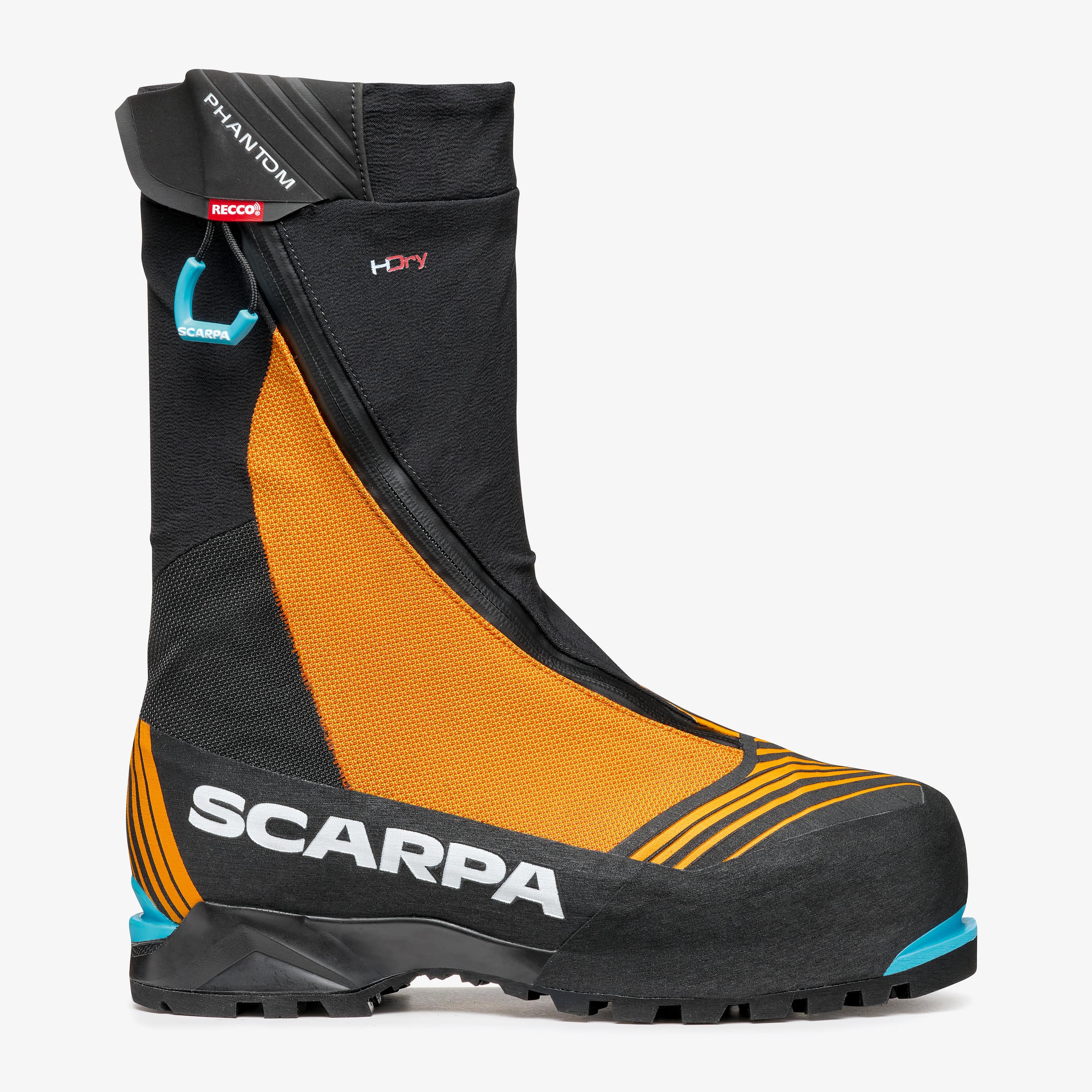
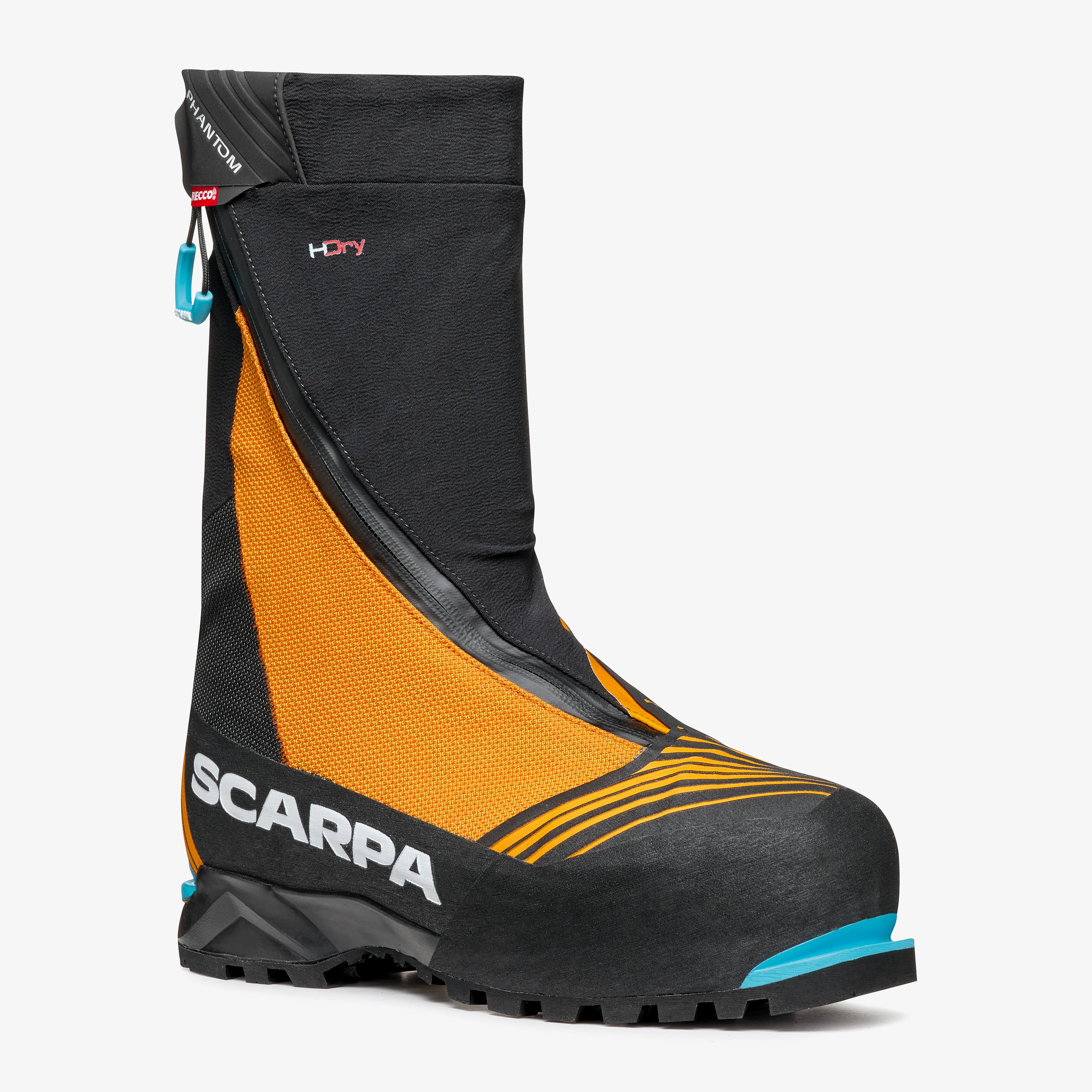
1 color available
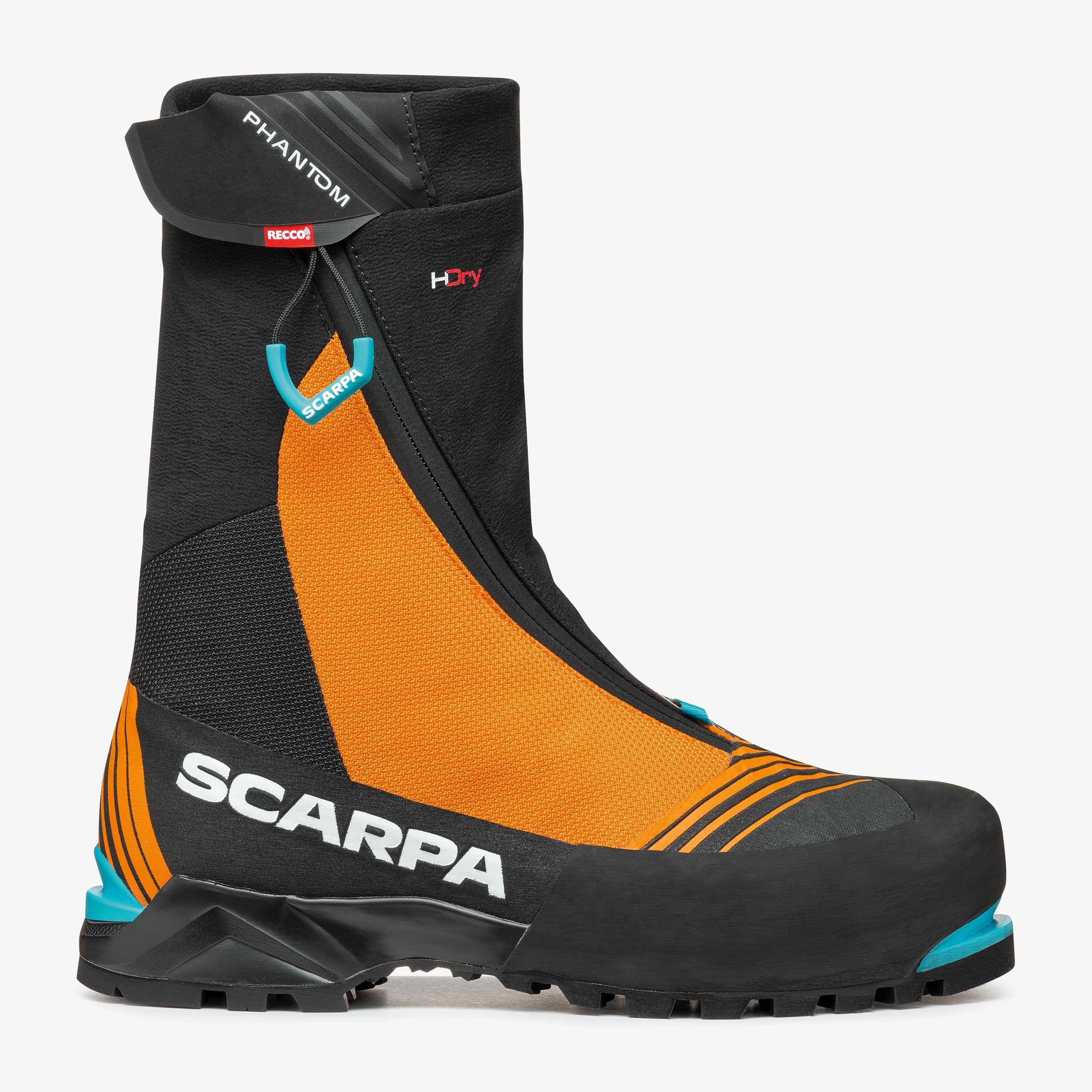
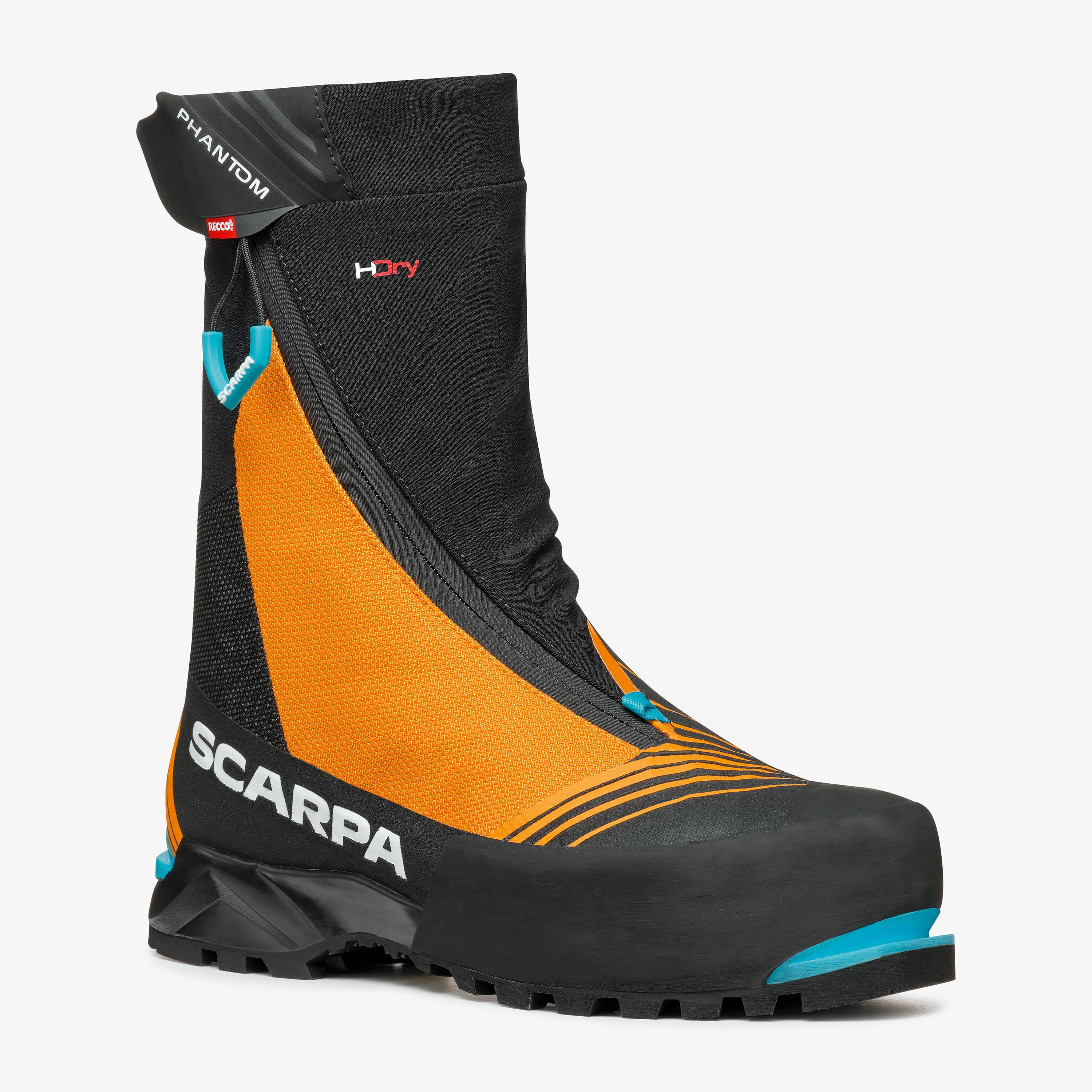
1 color available
SCARPA mountaineering boots: safety and control in the high mountains
Mountaineering requires footwear that can support movement on rock, snow and ice, maintaining stability and protection even with intense cold and heavy loads. SCARPA mountaineering boots are designed to meet these demands, with constructions differentiated by activity type and technical intensity. From more traditional models for classic mountaineering to advanced solutions for technical alpinism and high altitude, the collection covers a wide range of uses in alpine terrain.
How to choose mountaineering boots
Choosing mountaineering boots depends on route type, season and technical commitment.
For classic mountaineering on mixed routes and glacier travel, robust and stable boots are recommended, developed to provide protection and long-lasting support.
For technical and fast alpinism, where precision and agility matter, lighter and more reactive models are typically more suitable.
On high-altitude expeditions, thermal insulation and protection from extreme cold become the priority.
Compared to trekking boots, mountaineering boots deliver higher stiffness and crampon compatibility, making them essential on ice, snow and technical ground.
Crampon boots and crampon compatibility
SCARPA mountaineering boots are designed for use with crampons, a key element for safe progression on snow and ice. Compatibility varies by model and intended use, and is always specified on the product page. This makes SCARPA mountaineering boots suitable for glaciers, snow couloirs, ice climbs and mixed routes, where secure footing and precision are decisive.
Classic, technical, fast alpinism and high altitude
The SCARPA range includes boots developed for specific disciplines.
For classic mountaineering, models such as MONT BLANC GTX and RIBELLE HD provide stability and protection on traditional objectives.
For technical and fast alpinism, boots such as RIBELLE TECH 3 HD, PHANTOM TECH HD and RIBELLE ICE help deliver precision and control on rock and ice.
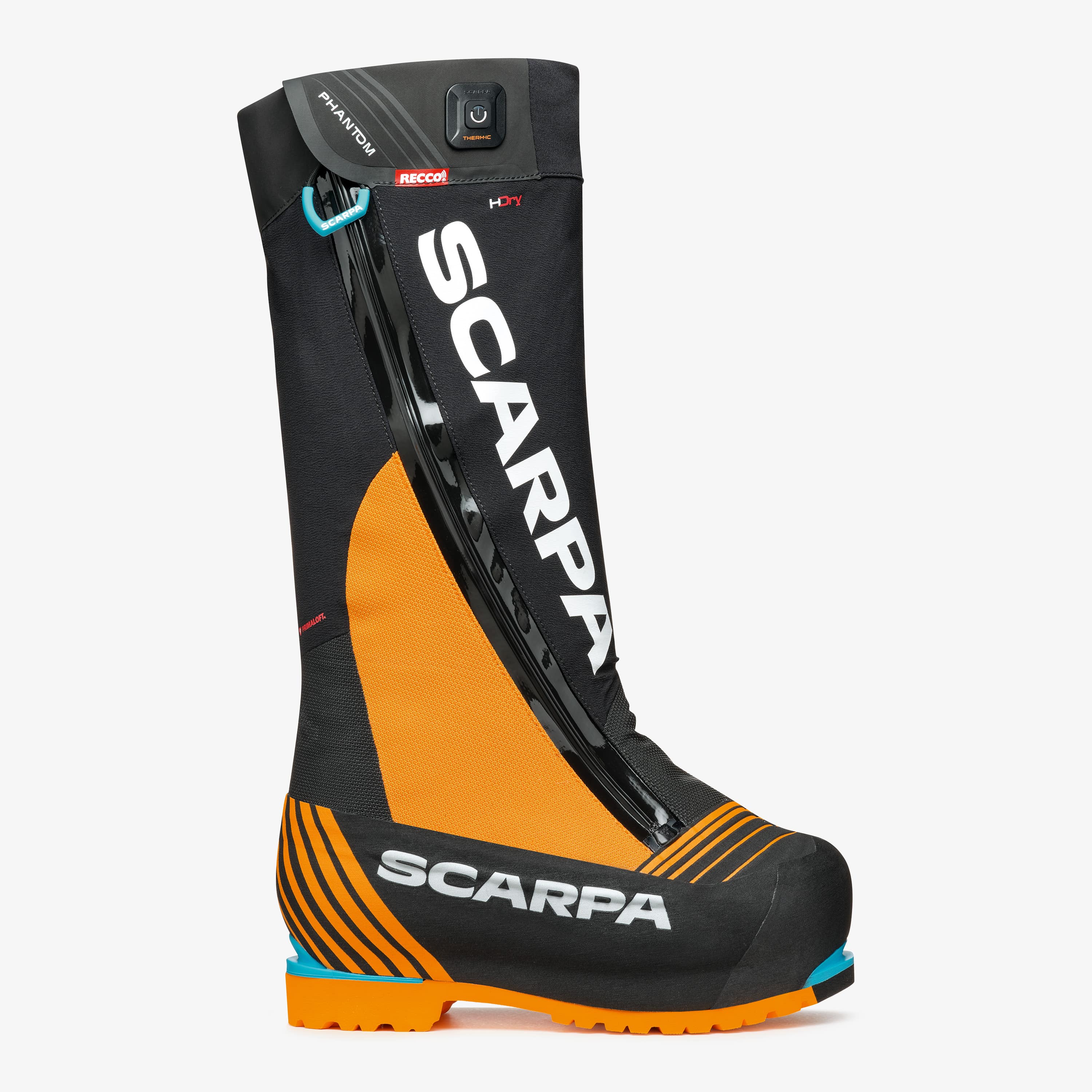
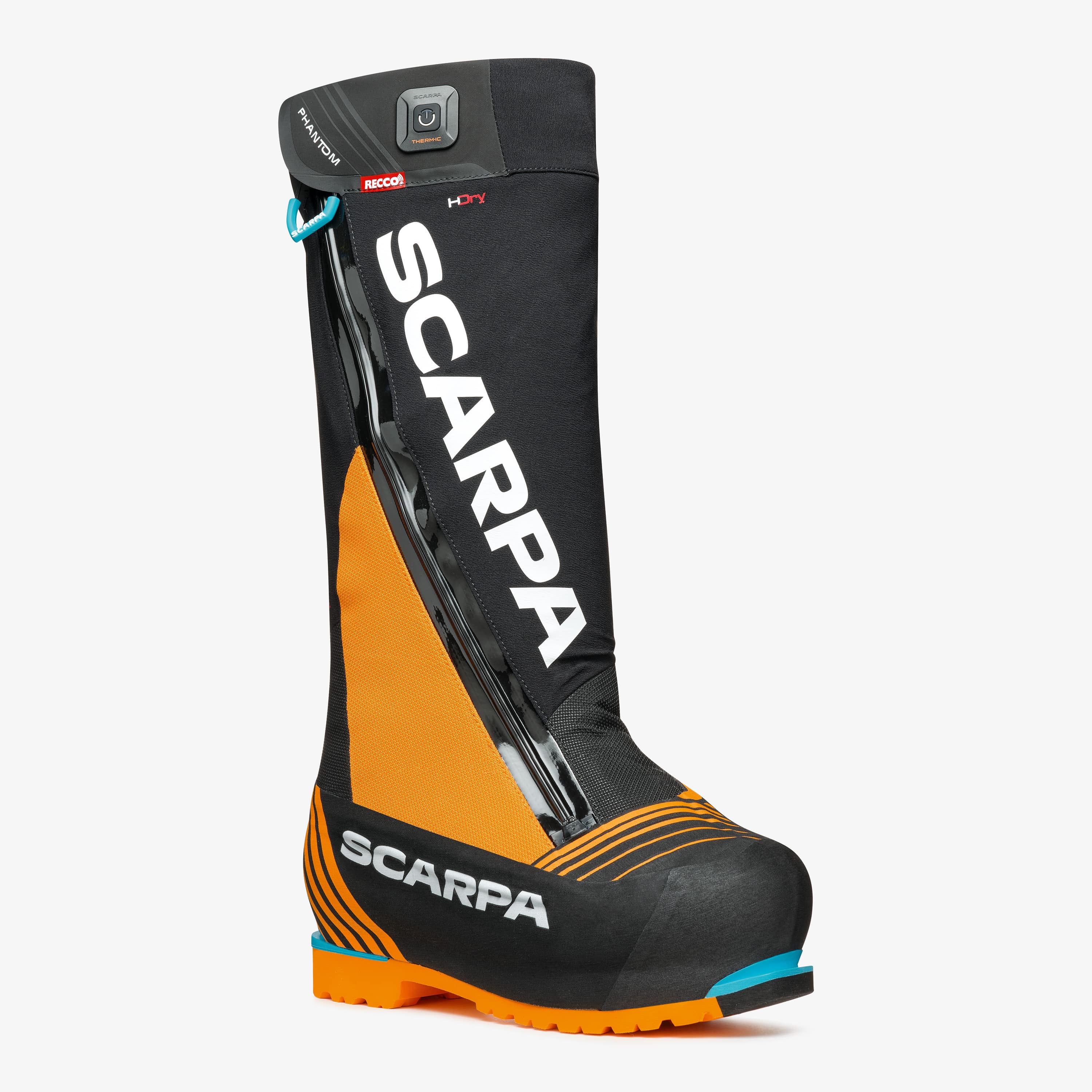
For high altitude and expeditions, PHANTOM 6000 HD and PHANTOM 8000 THERMIC HD deliver insulation and protection in extreme conditions.
Men’s and women’s mountaineering boots: fit and volume
SCARPA offers men’s mountaineering boots and women’s mountaineering boots, developed with different volumes and lasts. Women’s versions generally feature a lower-volume, more precise fit to support control and accuracy. Correct fit is essential to maintain stability in the most technical sections.
Materials, protection and insulation for mountaineering
SCARPA mountaineering boots are built with materials selected to resist abrasion, cold and moisture. Constructions focus on foot protection and structural stability and, in high-altitude models, a high level of thermal insulation. Weather-oriented builds help tackle variable conditions, keeping the foot protected on snow and ice.
Maintenance and care for mountaineering boots
Proper maintenance helps preserve performance and long-term reliability. After each use, it is recommended to clean the boot, let it dry away from direct heat sources and check materials and key components.
Care products are available in the accessories section.
For more best practices, SCARPA provides a dedicated guide on how to maintain your mountain footwear.
Frequently Asked Questions
How do I choose the right size for mountaineering boots?
Sizing is essential for control and safety. The boot should hold the foot securely without feeling restrictive, also considering technical socks and natural swelling during activity. It is important to avoid both an overly loose fit, which reduces precision, and an overly tight fit, which can compromise comfort and circulation. A reference chart is available in the SCARPA shoe size conversion chart.
Are all mountaineering boots crampon compatible?
Most mountaineering boots are designed for use with crampons, but compatibility can vary by model and intended use. Depending on construction and stiffness, boots provide different levels of compatibility, from classic mountaineering to high altitude. For this reason, it is important to check the crampon compatibility specified on the product page, to match the boot correctly to the planned activity.
What is the difference between mountaineering boots and trekking boots?
Mountaineering boots are developed for more technical objectives than trekking. They feature a stiffer build, higher protection and are compatible with crampons, which are essential on snow and ice. Trekking boots are designed primarily for sustained walking on trails and less technical terrain, prioritising comfort during long days. When glaciers, snow couloirs or mountaineering routes are involved, mountaineering boots are the most appropriate choice.
What are mountaineering boots?
Mountaineering boots are designed for alpine environments, glaciers, snow and technical terrain, where protection, stability and secure footing are required. Compared to other mountain footwear, they provide a more rigid and protective structure, developed to support the foot on rock, ice and mixed ground, even at low temperatures. They are built to deliver control and reliability for ascents, traverses and high mountain progression.
Are there differences between men’s and women’s mountaineering boots?
Yes. Men’s and women’s mountaineering boots are developed with different volumes and fits to suit different foot shapes. Women’s versions typically feature a lower volume and a more precise shape to improve accuracy and control. Choosing the right fit helps ensure safer progression and more effective power transfer in alpine terrain.
Are mountaineering boots different for summer and winter use?
Yes. Summer and winter mountaineering require different levels of insulation, protection and stiffness. For summer mountaineering, on glaciers and classic routes, boots that prioritise precision and control are recommended, while maintaining a balanced level of protection and walkability. Lighter and more reactive options such as RIBELLE LITE HD are suitable for fast mountaineering and summer ascents on mixed ground. In winter or more severe conditions, higher thermal insulation and enhanced cold protection become essential to face low temperatures and prolonged time on snow and ice.
What features should a high-altitude mountaineering boot have?
A high-altitude mountaineering boot must provide protection and reliability in extreme conditions. Thermal insulation is central, alongside the ability to maintain stability and secure footing on snow and ice. The structure must support crampon use and be built for severe environments, where cold, altitude and duration put materials and construction under maximum stress.
What do the categories B, B/C, C and D mean in mountaineering boots?
- B: Suitable for demanding mountain hikes and easy glacier tours.
- B/C: Stiffer, for glacier mountaineering and mixed routes; compatible with semi-automatic crampons.
- C: Fully crampon-compatible for technical mountaineering and ice climbing.
- D: Expedition and high-altitude boots for extreme conditions.

JOIN THE SCARPA NEWSLETTER
Keep in touch with fresh new releases, product try out tours and events, join our community of outdoor enthusiasts.